

How Much Do You Lose Selling a House As-Is?
A clear breakdown of real costs, discounts, and hidden expenses homeowners should expect
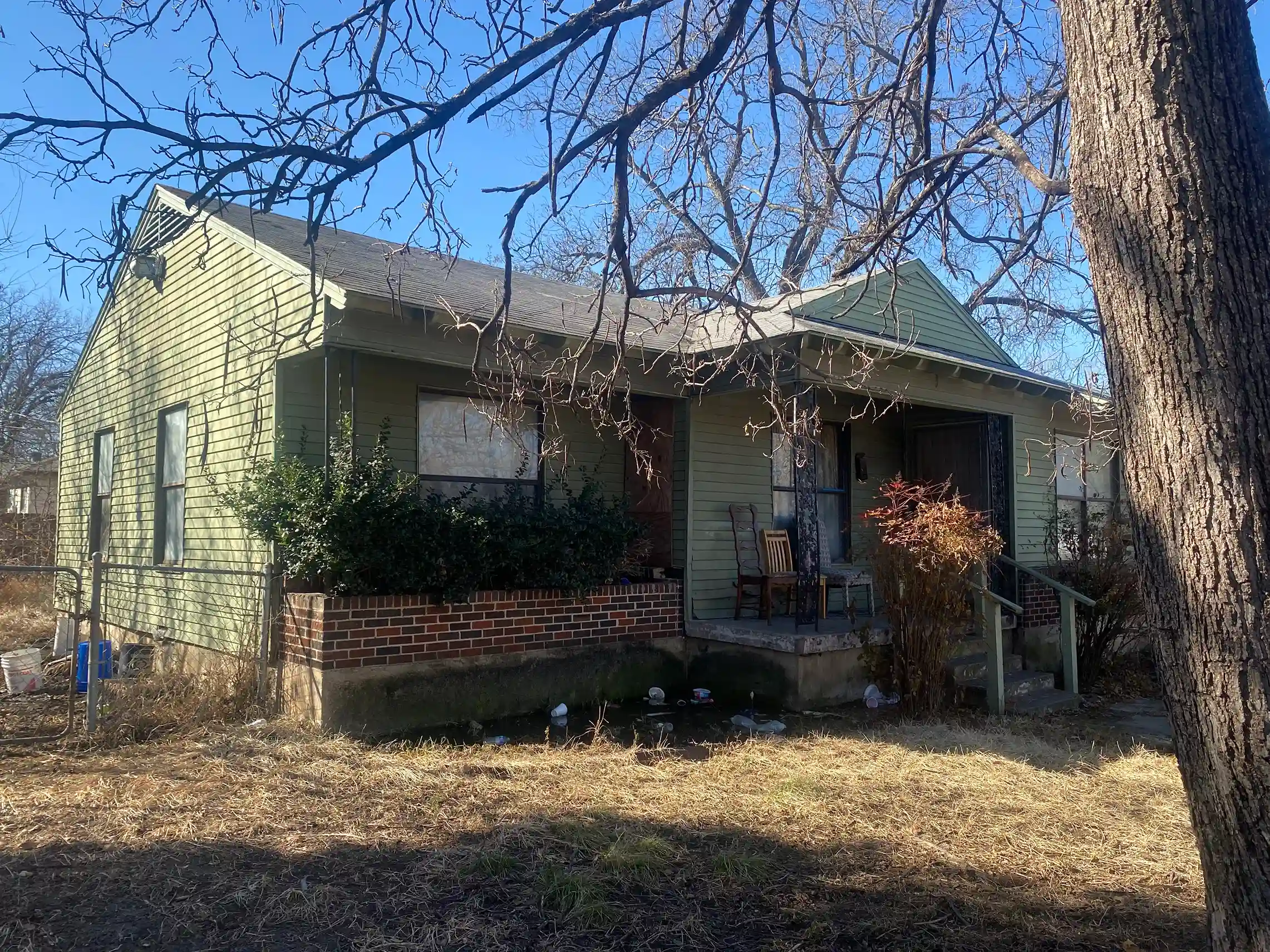
Selling a house as-is typically results in losing 15-25% of the property's potential market value, with the exact amount depending on the home's condition, location, and required repairs. Most sellers can expect to receive 70-85% of what they'd get if they made repairs and sold traditionally. This comprehensive guide breaks down exactly what those losses look like, why they happen, and how to calculate your specific situation. The information below is based on years of experience analyzing thousands of as-is home transactions across various market conditions.
Understanding the Financial Impact of As-Is Sales
When you sell a house as-is, you're essentially transferring all the repair responsibilities and associated risks to the buyer. Buyers account for this uncertainty by offering less money. According to data from Zillow, homes needing significant repairs typically sell for 7-20% below market value, but the real financial impact includes additional hidden costs.
The loss isn't just about the sale price. It includes appraisal gaps, longer holding costs, and repair credits that buyers negotiate. A recent study by The National Association of Realtors found that homes sold as-is spend an average of 17 more days on the market compared to updated homes, increasing carrying costs by thousands of dollars.
Primary Cost Components in As-Is Sales
| Cost Component | Traditional Sale | As-Is Sale | Potential Loss |
| Sale Price | 100% of market value | 75-85% of market value | 15-25% |
| Buyer Financing Issues | 5-10% of deals fall through | 15-25% of deals fall through | Additional 2-4 weeks holding time |
| Marketing Time | 30-45 days | 60-90 days | Extra carrying costs |
Factors That Determine Your Specific Loss Percentage
Not every as-is sale results in the same financial impact. Several key variables influence how much money you'll actually leave on the table. Understanding these factors helps predict your outcome more accurately.
Market conditions play a huge role. In seller's markets with low inventory, as-is properties command higher prices because buyers have fewer options. Realtor.com's market data shows that in competitive markets, as-is homes only lose 8-12% in value compared to 20-25% in buyer's markets.
The type and visibility of issues matter significantly. Cosmetic problems like outdated kitchens might reduce offers by 5-10%, while structural issues can cut values by 30% or more. Foundation problems, roof leaks, and major systems failures (HVAC, electrical, plumbing) are the biggest value killers.
Property-Specific Variables
-
Age and location of the home - Older homes in established neighborhoods often lose less percentage-wise than newer homes in developments where buyers expect perfection
-
Square footage and layout - Larger homes with functional layouts absorb repair costs better percentage-wise than smaller homes
-
Neighborhood comparables - If nearby homes are updated, your as-is property looks worse by comparison
Bonus Tip: Get a pre-listing inspection before deciding to sell as-is. Knowing exactly what issues exist helps you determine whether the repair costs justify the higher sale price you'd get by fixing them.
Geographic and Climate Considerations
Your location significantly impacts as-is sale outcomes. In regions with extreme weather, buyers scrutinize certain systems more carefully, affecting offer prices differently than in moderate climates.
In colder climates, such as Minnesota, the state of a roof and heating infrastructure is paramount for potential purchasers. A compromised roof in such a region could lead to significantly reduced proposals, whereas the identical issue in a warmer state like Arizona might have a lesser impact on offers. Likewise, in hurricane-prone states such as Florida, the structure's robustness and window condition are more influential than in California.
The local economic landscape also plays a significant role in financial assessments. In high-value property markets, a percentage-based reduction for a property sold "as-is" translates to a substantial sum. For example, in a market where typical home values are over one million units of currency, a fifteen percent markdown represents a considerable reduction in value. In contrast, in a market where average home values are much lower, the same percentage reduction, while proportionally similar, results in a far smaller currency reduction. The proportional decrease might be consistent, but the absolute difference in value is noteworthy.
Bonus Tip: Research recent as-is sales in your specific neighborhood rather than just your city. Local market conditions can vary dramatically even within the same metropolitan area.
Things to Consider Before Making a Decision
The choice between repairing and selling as-is deserves careful financial analysis beyond just comparing repair costs to potential sale price increases. Several hidden factors affect the real return on investment.
Begin by determining your genuine break-even point. Should property improvements require a substantial investment, yet only modestly elevate the final sale figure, this path is evidently unfavorable. However, what if those identical improvements drastically shorten the period a property spends on the market, perhaps from ninety days to thirty? This reduction in marketing time could lead to significant savings in ongoing property expenses, bringing the overall decision closer to equilibrium.
Your personal timeline and financial position are equally important. If a quick sale is necessary due to a job relocation, divorce, inherited property, or financial pressure, selling as-is to OT Home Buyers may ultimately be the more economical choice, even if the initial offer is lower. A traditional sale often involves extended timelines, showings, negotiations, and months of carrying costs.
Financial Calculation Framework
-
Get repair estimates from at least three contractors
-
Research comparable sales for both updated and as-is homes in your area
-
Calculate holding costs for both scenarios (mortgage, taxes, insurance, utilities)
-
Factor in your time value - managing repairs takes 10-20 hours weekly
-
Add contingency buffers - repairs typically cost 15-20% more than initial estimates
Bonus Tip: Don't forget tax implications. Repair costs can sometimes be deducted from capital gains, while the higher sale price from a traditional sale might push you into a higher tax bracket. Consult a tax professional for your specific situation.
FAQS
Do I really save money by avoiding repairs?
Not always. Avoiding immediate repair costs often leads to a greater reduction in the sale price. However, if funds or time for renovations are scarce, selling "as-is" might be the most practical financial choice, considering the reduced stress and time investment.
Can I get multiple offers on an as-is property?
Yes, especially in competitive markets or with unique properties. Investors frequently compete for well-located as-is homes, particularly if the issues are mostly cosmetic. Pricing your property appropriately for its condition and marketing its potential helps attract multiple offers that can drive the final price closer to market value.
Should I get a pre-listing inspection?
Indeed. Professional inspections, though an initial expenditure, are crucial for accurate valuation and avoiding surprises. Knowing the issues lets you tackle key problems or confidently stand by your "as-is" price against buyer demands.
How do I price an as-is home correctly?
Research comparable sales in your neighborhood, focusing specifically on homes that sold with similar condition issues. Adjust for any differences in location, size, and features. Many sellers initially overprice their as-is homes by comparing them to renovated properties, leading to extended market time and eventual price reductions.
What repairs offer the best return before selling?
Minor cosmetic updates typically deliver the highest return. Fresh paint (3-5x return), basic landscaping (4x return), and updated light fixtures/fixtures (3-4x return) often pay for themselves multiple times over. Major systems rarely recoup their full cost in higher sale prices unless they're completely non-functional.
Final Considerations
Selling a house as-is means accepting a lower price in exchange for convenience, speed, and avoiding repair hassles. The typical 15-25% reduction includes not just the visible price difference but also appraisal gaps, financing complications, and extended marketing time. Your actual loss depends on your specific property condition, local market conditions, and how urgently you need to sell.
Before deciding, run the numbers for your specific situation. Get professional repair estimates, research local comparable sales, and calculate both scenarios' total costs, including holding periods. Sometimes, making targeted repairs makes financial sense, while other times an as-is sale saves you money despite the lower price when you factor in time, stress, and uncertainty.
Ready to Explore Your Options
If you're considering selling your home as-is and want to understand exactly what that means for your specific situation, OT Home Buyers can provide a detailed analysis of your property's condition and current market value. Contact Vince at vince@otinvestmentsgroup.com or call 682-267-7741 to discuss your property and get a clear understanding of your options without any obligation.
Sources
-
Zillow Research - Zillow Research
-
National Association of Realtors - National Association of Realtors
-
Realtor.com Research - Realtor.com Research
Related Articles
By William Henry • Jan 21, 2026
How to Sell My House Without Spending on Cleaning or Staging
How to Sell Faster Without Spending Money on a Presentation

By Vince Chimoga • Oct 23, 2025
Old Homes, No Problem: Dallas Companies That Buy As-Is Properties
Selling an old house in Dallas? Discover how local cash buyers like OT Home Buyers purchase homes as-is no repairs, no fees and quick closings
By Vince Chimoga • Jul 3, 2025
We Buy Houses in Dallas in As-Is Condition and Can Close Fast
No Repairs. No Fees. Just a Fast, Fair Cash Offer for Your Dallas Home—Exactly As It Is.