

How to Sell a Pre Foreclosure House Before the Auction Date
A Practical Guide to Selling Fast, Avoiding Delays, and Relocating With Less Stress
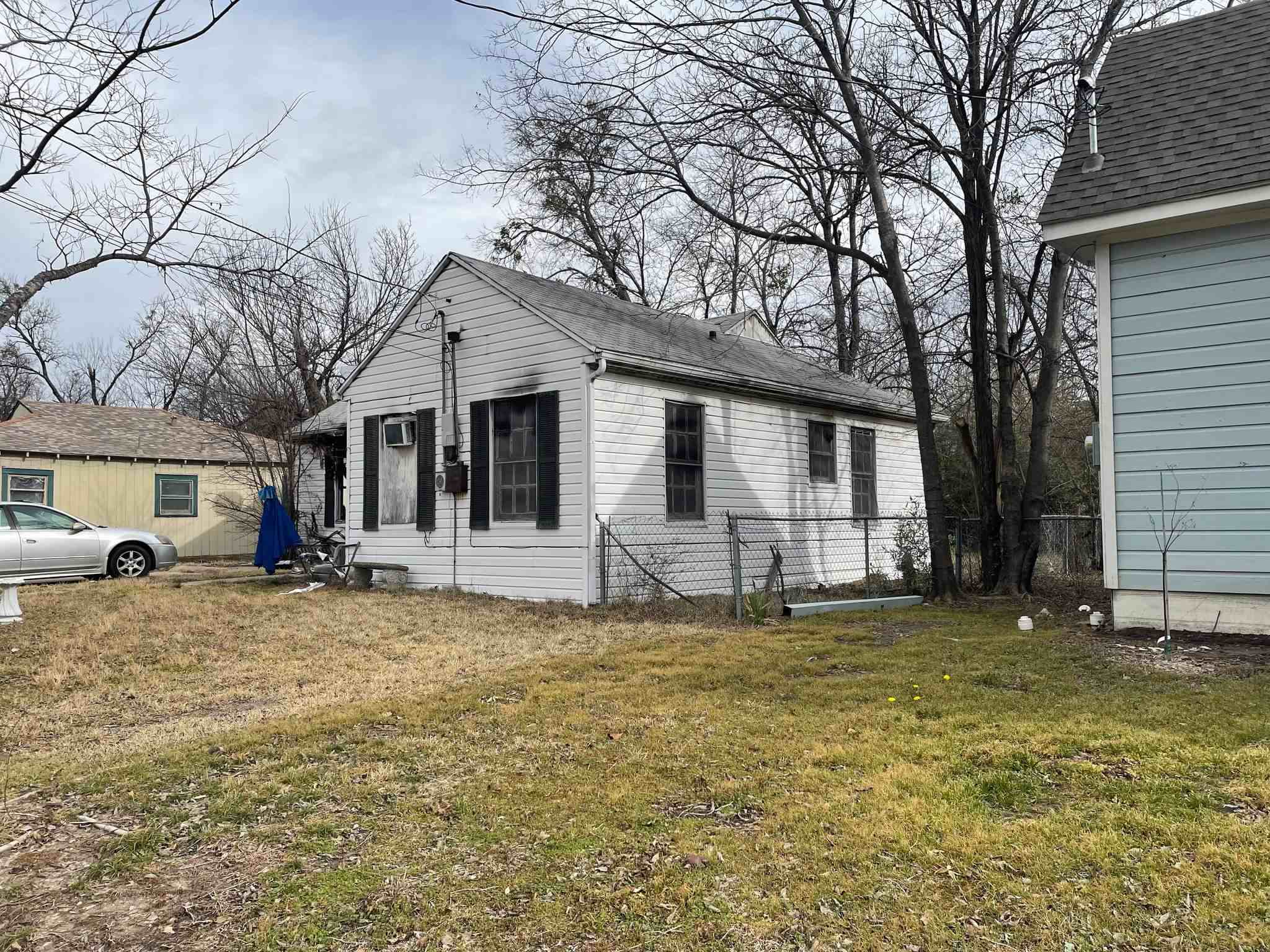
Yes, you can sell your house during pre-foreclosure right up until the auction actually begins. You remain the legal owner of the property until the gavel falls, meaning you have every right to sell the home, pay off the mortgage, and walk away with any remaining equity. For many homeowners, this is the most effective way to stop the foreclosure process, save their credit score from a seven-year hit, and potentially salvage financial value from a difficult situation.
Time is your most valuable asset right now. While you have the legal right to sell, the logistics of closing a real estate transaction take time, typically 30 to 45 days for traditional buyers. If your auction date is approaching in weeks or days, you likely need a faster solution, such as a cash sale, to beat the bank's deadline. At OT Home Buyers, we have helped countless homeowners navigate this narrow window, often pausing auctions with a signed purchase agreement just days before the sale.
Understanding the Pre-Foreclosure Countdown
The "pre-foreclosure" period is the specific window between your first missed payment and the actual auction. It is not a single event but a timeline with legal checkpoints. Understanding where you stand on this timeline tells you exactly how much time you have to act.
According to 2024 market data from ATTOM Data Solutions, lenders initiated foreclosure proceedings on over 250,000 U.S. properties that year. Despite these numbers, banks generally do not want to own your home. They are in the business of lending money, not managing real estate. This means they are almost always willing to accept a payoff from a sale if it happens before the auction.
The Typical Timeline
-
Notice of Default (NOD): This is the official start. You are typically 90 days behind on payments. The clock starts ticking here.
-
Reinstatement Period: You usually have 90 days after the NOD to pay the past due amount (not the full loan) to stop the process.
-
Notice of Trustee Sale: If the loan isn't brought current, the lender sets an auction date. This notice is often posted on your door and in the local paper.
-
The Auction: The property is sold to the highest bidder or reverts to the bank (REO).
Bonus Tip: Do not ignore the mail. The "Notice of Trustee Sale" contains the specific date and time of the auction. You need this exact date to communicate with buyers and your lender.
Options for Selling Before the Gavel Falls
Your strategy depends entirely on one number: your equity. This is the difference between what your house is worth and what you owe the bank.
Option 1: Standard Sale (Positive Equity)
If your home is worth more than you owe, you are in a strong position. You can sell the house, pay off the entire mortgage balance (plus late fees and legal costs), and keep the extra cash. This is the best-case scenario. If you have months before the auction, you might list it with an agent. If you have days, you need a cash buyer who can close immediately.
Option 2: Short Sale (Negative Equity)
If you owe more than the house is worth, you are "underwater." You cannot just sell the house because the sale proceeds won't cover the loan. You must ask the bank for permission to sell the home for less than the debt. A guide from Investopedia explains that while a short sale damages your credit less than a foreclosure, it is a slow process. Banks take months to approve short sales, making this a risky option if your auction date is less than 60 days away.
Option 3: Cash Sale
For homeowners with equity who are short on time, selling to a cash investor is often the most practical route. Cash buyers skip the appraisal and financing contingencies that delay traditional sales. We can usually present a proof of funds letter to your lender immediately, which shows them that a payoff is imminent and often convinces them to postpone the auction.
Comparison of Exit Strategies
| Feature | Standard Equity Sale | Short Sale | Foreclosure Auction |
| Requirement | Home value > Mortgage balance | Home value < Mortgage balance | No action taken |
| Timeline | 7-45 days (Cash vs. Retail) | 3-6 months | Fixed date (Immediate loss) |
| Credit Impact | Minimal (Late payments only) | Severe (2-3 years recovery) | Catastrophic (7 years on record) |
| Financial Outcome | You keep the surplus cash | You walk away with $0 | You lose the home & equity |
| Lender Control | Low (You control the sale) | High (Lender must approve price) | Total (Lender forces sale) |
Critical Steps to Pause the Auction
If the auction is less than two weeks away, you must be aggressive. A verbal promise to sell your house will not stop the bank. You need concrete documentation.
1. Get a Payoff Statement Immediately
Call your lender or servicer and request a "total payoff statement." Do not guess what you owe. The figure on your monthly statement is likely wrong because it doesn't include the bank's legal fees, late penalties, and corporate advances. You need the exact number to the penny to ensure the sale covers the debt.
2. Secure a Purchase Agreement
You need a signed contract with a buyer. This proves to the bank that the property has been sold, and they will receive their money soon.
3. Submit Proof of Funds
Along with the contract, send the lender the buyer's "Proof of Funds" (POF). This is a bank statement showing the buyer actually has the cash to close. Lenders ignore contracts without POF because they fear the deal will fall through.
4. Request a Postponement
Once the lender has the Payoff Statement, the Contract, and the POF, ask them to "adjourn" the auction so the closing can proceed. Most lenders will grant a 14 to 30-day extension because it guarantees them a full payoff without the risk of an auction.
Bonus Tip: If the "front line" customer service representative says they can't stop the auction, ask to speak to the "Loss Mitigation Department." They are the decision-makers who have the authority to pause the sale.
Things to Consider Before Making a Decision
Before you sign any agreements, look at your situation objectively. Emotions run high during foreclosure, but this is a business decision.
-
Real Equity vs. Perceived Equity: Be honest about your home's condition. If it needs $30,000 in repairs, your equity is $30,000 lower than you think.
-
The " Redemption" Myth: Some homeowners wait until after the auction, thinking they can repurchase the house. While some states have redemption periods, relying on this is dangerous and expensive. Nolo notes that redemption usually requires paying the full loan amount in cash plus interest, which is impossible for most people who can't make monthly payments.
-
Relocation Costs: If you sell, where will you go? If you have equity, use a portion of the proceeds to secure a rental or a more affordable home. If you do a short sale, negotiate a "cash for keys" incentive to help with moving costs.
FAQS
Does selling my house stop the foreclosure immediately?
Selling the house stops the foreclosure process once the closing is complete and the bank receives the funds. However, simply listing the home does not stop the clock. You must close the sale before the auction date to permanently stop the foreclosure.
Do I need to make repairs before selling?
No, and you probably shouldn't. You likely don't have the time or money to manage renovations. Selling "as-is" to a buyer like OT Home Buyers is faster and removes the risk of spending money on a house you might lose anyway.
Will the bank forgive the remaining debt in a short sale?
Usually, yes, but you must ensure the approval letter states the debt is "settled in full" or "satisfied." If not, they could pursue you for the difference (deficiency judgment) later. Always check the terms.
Can I stay in the house after I sell it?
In a standard sale, you typically move out on the closing day. However, some investors may allow a "lease-back" agreement, where you rent the home back for a few weeks to give you time to move.
What if the auction is tomorrow?
It is challenging, but not always impossible. You need a cash buyer who can verify funds instantly and a direct line to the trustee. In some cases, filing for bankruptcy is the only way to stop an auction with less than 24 hours' notice, but you should consult a bankruptcy attorney for that specific legal maneuver.
Summary and Next Steps
You have the power to control the outcome of your pre-foreclosure. You do not have to wait for the bank to take your home. By acting now, you can sell the property, satisfy the debt, and walk away with cash to start your next chapter. Evaluate your equity, check the calendar, and choose the path that protects your financial future. The only wrong decision is doing nothing.
Get a Fair Cash Offer Today
If you are facing a foreclosure auction and need to sell your house quickly, OT Home Buyers is here to help. We understand the urgency of your situation and can move fast to pause the auction and put cash in your pocket.
-
Call us: (682) 267-7741
-
Email: vince@otinvestmentsgroup.com
Don't let the bank take your equity. Contact us today for a confidential, no-obligation offer.
Sources
-
ATTOM Data Solutions - ATTOM Data Solutions
-
Investopedia - Investopedia
-
Nolo - Nolo
Related Articles
By William Henry • Nov 24, 2025
How To Sell My House During Foreclosure in Dallas, Texas
A clear guide for Dallas owners facing a fast foreclosure deadline

By Vince Chimoga • Jun 4, 2025
Inherited a House with a Mortgage? Here's What to Do in Dallas-Fort Worth
Inheriting a home is a blessing—until you realize it comes with a mortgage. Whether it’s current, behind, or in foreclosure, here’s what you need to know about selling an inherited house with a mortgage in Dallas-Fort Worth.
By William Henry • Oct 22, 2025
Facing Foreclosure in Dallas? Sell Your House Fast for Cash
Avoid foreclosure damage. Get a fair cash offer and sell your Dallas house quickly on your terms.