

How to Sell My House After Job Loss or Income Reduction
Practical options to manage housing decisions during financial uncertainty
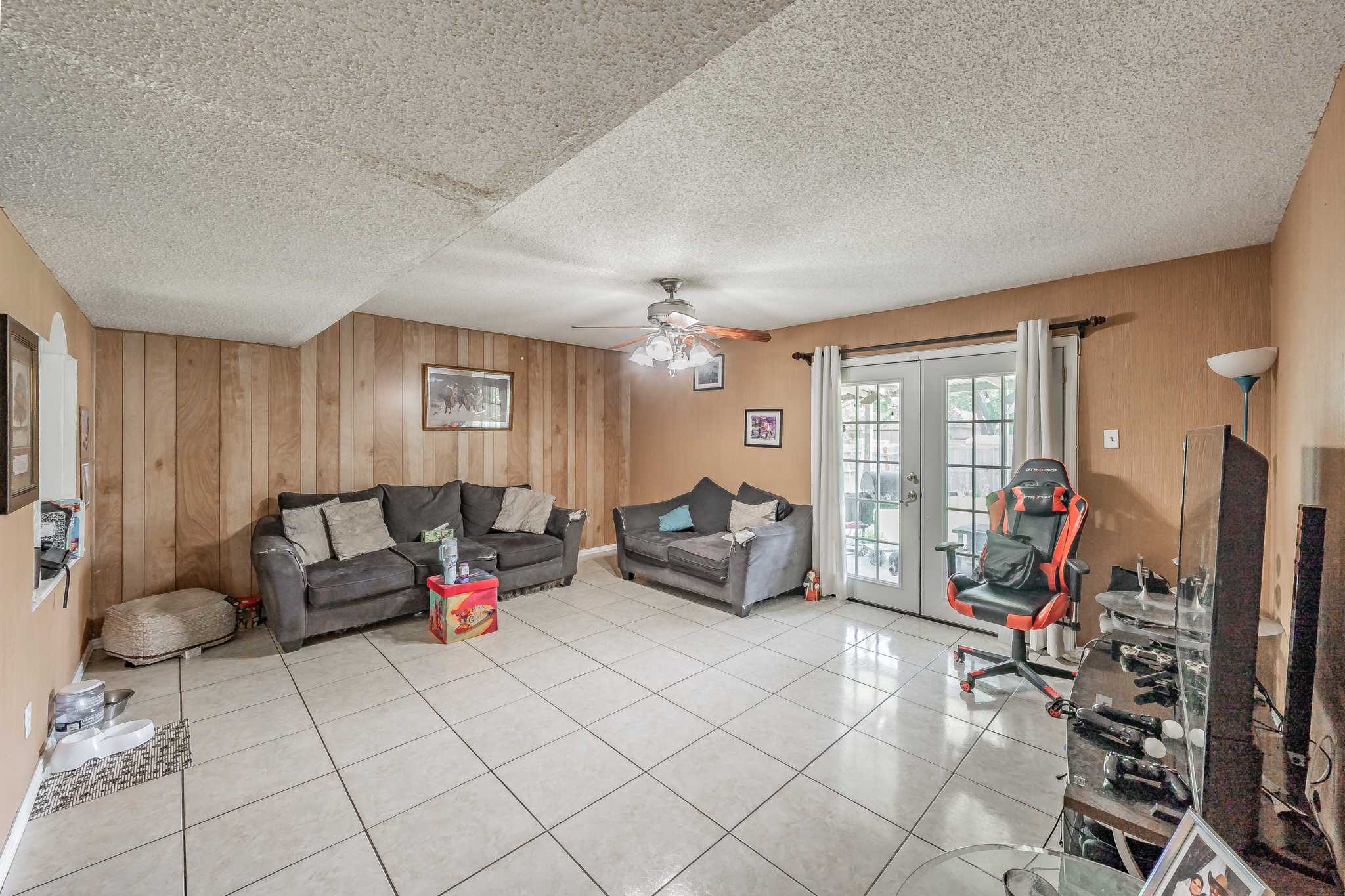
Losing a job or experiencing a significant drop in income creates immediate financial pressure that often forces a decision about home ownership. The most effective solution is to act quickly by assessing total equity and choosing a sales method that aligns with the required timeline. OT Home Buyers specializes in assisting homeowners through these specific transitions by providing fast, alternative solutions to traditional real estate sales. This guide outlines the exact steps to take, financial options to consider, and how to navigate the market during a personal economic downturn.
Assessing Financial Reality
When planning to sell my mortgage house, the first step is to compare the remaining loan balance with the home’s current market value. This difference shows how much equity is available and shapes the selling approach. If the property's value exceeds the mortgage balance, the seller can walk away with cash in hand. If the debt exceeds the home’s value, a short sale or a loan modification may be needed before moving forward.
Contact the lender immediately to discuss hardship options. According to the Consumer Financial Protection Bureau, borrowers have specific rights regarding forbearance and loss mitigation options that can delay the need to sell immediately. Many lenders offer temporary payment suspension or reduced payment plans for those facing financial hardship.
Bonus Tip: Request a payoff quote from the lender rather than just the current balance. The payoff quote includes interest and fees up to a specific date, providing the exact amount needed to clear the title.
Understanding Market Timing
Selling a house traditionally takes time. The average home sits on the market for weeks or months before closing. Current market data from the National Association of Realtors shows that the typical home spends about 20 days on the market, but this varies heavily by location and price range. For someone without a steady income, waiting nearly a month for an offer and another 30 to 45 days for closing may not be feasible.
Interest rates also impact buyer activity. Higher rates reduce the pool of qualified buyers, which can lead to longer listing times. Selling during a period of high rates often requires pricing the home aggressively to attract attention.
Choosing the Right Sales Method
The method of sale dictates the speed and cost of the transaction. The three main paths are using a real estate agent, selling the home independently (For Sale By Owner), or selling directly to a cash buyer.
Comparison of Sales Methods
| Sales Method | Average Timeline | Seller Costs | Required Effort | Condition Requirements |
| Real Estate Agent | 60 to 90 Days | 5% to 6% Commission + Closing Costs | High (Staging, Showings, Repairs) | Must be Move-in Ready |
| For Sale By Owner | Variable | Marketing Costs + Attorney Fees | Very High (Marketing, Negotiating) | Must be Move-in Ready |
| Direct Cash Buyer | 7 to 14 Days | $0 to Low Closing Costs | Low (Single Inspection) | Sold As-Is |
Traditional Agent Sales
Listing with an agent exposes the property to the widest audience through the Multiple Listing Service (MLS). This method often yields the highest possible price. However, it requires the home to be in pristine condition. Buyers using traditional financing often require repairs before the bank will approve the loan. Additionally, the seller must pay closing costs and agent commissions, which can total up to 10% of the sale price.
Selling Directly
Selling to a direct buyer or investor prioritizes speed over maximum price. These buyers purchase properties "as-is," meaning the seller does not need to paint, fix roofs, or replace carpeting. OT Home Buyers can often close within two weeks because cash transactions do not rely on bank approvals or appraisals. This route is ideal for owners who need to liquidate equity quickly to pay bills or relocate for a new job.
Bonus Tip: When evaluating cash offers, ask for proof of funds. Legitimate buyers can provide a bank statement showing they have the cash available to close.
Preparing the House Without Spending Money
Renovations should be avoided when income is limited. Focus on cleaning and decluttering instead. A clean home appears larger and allows buyers to envision themselves living there. Remove personal items from countertops and organize closets. Curb appeal matters too. Mowing the lawn and trimming hedges make a strong first impression and cost very little.
If repairs are required for a traditional sale, consider negotiating a credit for the buyer rather than doing the work up front. This allows the sale to proceed without the seller having to spend savings on materials or labor.
Things to Consider Before Making a Decision
Before listing the property, owners must evaluate their specific situation to ensure the decision aligns with long-term goals.
-
Equity Position: Determine if the sale will generate enough cash to cover moving costs and a down payment on a rental or new home.
-
Tax Implications: Selling a primary residence usually allows homeowners to exclude a significant amount of capital gains from taxes, provided they lived in the home for two of the last five years.
-
Moving Timeline: Selling a home requires finding a new place to live. Renting with no income can be difficult. Landlords typically require proof of income equal to three times the rent.
-
Future Housing Needs: Consider if downsizing or renting temporarily provides better financial stability than trying to keep the current home.
Frequently Asked Questions
How fast can a house be sold after a job loss?
The timeline depends on the method chosen. A direct sale can close in as little as seven days. A traditional listing typically takes two to three months from listing to closing date.
Should I tell my real estate agent about my job loss?
Honesty is the best policy. An agent can price the home correctly from the start to ensure a quick sale, rather than testing the market with a high price that wastes time.
What if my house has damage I cannot afford to fix?
Selling to a cash investor is the best option for distressed properties. These buyers purchase homes in any condition and factor in repair costs when making an offer.
Can I get a loan modification instead of selling?
Loan modifications are possible but not guaranteed. Lenders evaluate financial hardship, income history, and the ability to pay the modified payment. This process can take months.
Are there fees to sell to a direct buyer?
Reputable direct buyers typically do not charge commissions or fees. They may offer to pay closing costs, but the offer price is usually lower than market value to account for the convenience and speed.
Final Steps
Selling a house after a job loss requires a clear head and a solid plan. Owners must prioritize speed and cost reduction over maximizing profit to ensure financial stability. Evaluating equity, understanding the market, and choosing the right sales partner are the most important factors in a successful transaction.
Contact OT Home Buyers
OT Home Buyers provides solutions for homeowners needing to sell quickly. Contact Vince at 682-267-7741 or vince@otinvestmentsgroup.com to discuss options and receive a no-obligation offer.
Sources
-
National Association of Realtors - National Association of Realtors
-
Consumer Financial Protection Bureau - Consumer Financial Protection Bureau
Related Articles
By William Henry • Oct 28, 2025
Selling Inherited Property: Tax Implications & Options
Learn how inheritance taxes affect your sale and explore fast, profitable selling options
By William Henry • Dec 15, 2025
Top Signs of a Profitable Irving, TX Investment Property
How experienced investors evaluate cash flow, appreciation, and risk before buying in Irving

By Vince Chimoga • Sep 4, 2025
Behind on Payments? How to Sell Your House Fast in Dallas
Falling behind on mortgage payments in Dallas? Learn how to sell your house quickly, avoid foreclosure and protect your credit.