

How To Sell Your House To an Investor?
Understanding How Investor Home Purchases Work From First Contact to Closing
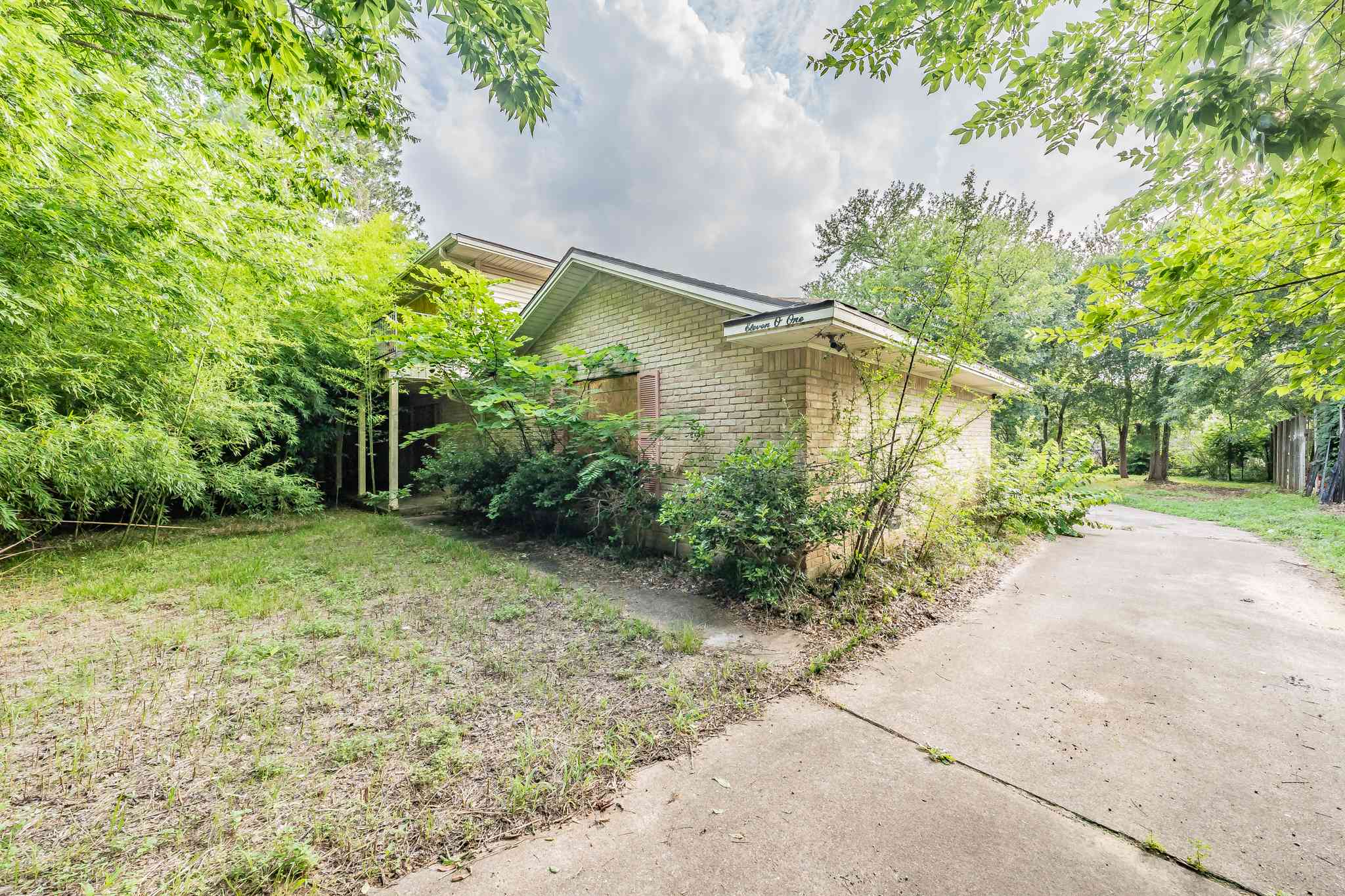
Selling your house to an investor involves contacting real estate investment companies or individual investors, receiving a cash offer, and typically closing within 7-14 days without making repairs or paying commissions. Investors buy properties as-is, allowing homeowners to avoid traditional market complexities like showings, financing contingencies, and lengthy closing periods. This guide breaks down the entire process, preparation steps, and what to expect when working with property investors who purchase homes directly from sellers.
OT Home Buyers has processed hundreds of direct home purchases, giving firsthand knowledge of investor transactions from both sides of the deal. The information below comes from extensive experience with property valuation, investor criteria, and successful closing strategies.
Understanding the Investor Buying Process
Investors purchase properties for different reasons than traditional homebuyers. Most investors focus on either rental income or quick resale profits, which means they evaluate properties differently. Unlike emotional buyers who might pay extra for upgraded kitchens, investors calculate based on repair costs and potential return on investment.
The typical investor purchase timeline follows these steps:
-
Initial contact and property information gathering
-
Quick property assessment (often virtual)
-
Cash offer presentation within 24-48 hours
-
Negotiation period (if needed)
-
Title work and inspection period
-
Closing at a title company or attorney's office
Investors can close quickly by using cash rather than bank financing. According to Realtor.com, cash sales account for approximately 25% of all home purchases, with investors making up a significant portion of these transactions.
Preparing Your Home for an Investor Sale
One advantage of selling to investors is the minimal preparation requirements. Unlike traditional sales, where you might spend thousands on staging and repairs, investors expect to buy properties as-is. However, basic preparation can still increase your offer.
Essential preparation tasks include:
-
Remove personal belongings and clutter
-
Document any major systems (HVAC, roof age, electrical updates)
-
Gather property records, including tax statements and insurance info
-
Take clear photos of the property's current condition
-
Note any known issues to be transparent with potential buyers
Bonus Tip: Create a simple spreadsheet listing recent home improvements and their costs. While investors base offers on market value, documentation of well-maintained systems can sometimes influence their repair cost calculations slightly in your favor.
How Investors Determine Property Value
When investors make offers on properties, they often use a common guideline known as the "70% rule." This rule suggests that an investor's offer is typically calculated by taking 70% of the property's potential market value after necessary repairs have been completed, and then subtracting the estimated cost of those repairs.
For instance, consider a home that, after renovation, could achieve a specific market value. If the estimated cost to bring the home to that condition is a particular amount, an investor would apply the 70% rule to the projected post-repair value and then subtract the repair expenses to arrive at their offer. This approach helps investors account for their own costs and desired profit margins.
While these numbers might seem lower than traditional market values, consider the savings on realtor commissions (typically 5-6%), repair costs, and months of mortgage payments during a traditional sale.
Comparing Sale Methods
| Sale Method | Timeline | Sale Price | Preparation Required | Fees/Costs |
| Investor Cash Offer | 7-14 days | 60-80% of market value | Minimal | None |
| Traditional with Agent | 30-90+ days | 95-98% of market value | Significant | 5-6% commission |
| For Sale By Owner | 30-90+ days | 95-100% of market value | Significant | Marketing costs only |
Bonus Tip: When evaluating offers, calculate your net proceeds after deducting traditional sale costs. The difference between a traditional sale and an investor offer might be smaller than expected once you factor in realtor commissions, closing cost credits to buyers, and repair expenses.
Market data from ATTOM Data Solutions shows that single-family rental properties (common investor purchases) represent approximately 35% of the housing market, indicating strong investor demand in most areas.
Things to Consider Before Making a Decision
Before accepting an investor offer, evaluate your specific situation and priorities. Ask yourself these questions:
-
How quickly do you need to sell? If you're facing foreclosure, divorce, or job relocation, speed might outweigh getting top dollar.
-
Can you afford necessary repairs? If your home needs $20,000+ in repairs and you lack cash, an investor offer might net you more than a traditional sale.
-
What's your emotional attachment to the property? Investors offer quick, clean closings without emotional negotiations.
-
Do you have time for showings and open houses? If not, the convenience of an investor sale might be worth the price difference.
According to the National Association of Realtors, the average home stays on the market for 28 days as of early 2023, but this varies significantly by location and condition. Your specific market conditions should factor heavily into your decision.
Bonus Tip: Ask investors for proof of funds before accepting offers. Legitimate investors should readily provide bank statements or letters from financial institutions showing they have the cash to close.
Frequently Asked Questions
How do I find legitimate investors?
Search online for "we buy houses" in your area, check local real estate investment club meetings, or ask your real estate agent for investor contacts. Always verify credentials and ask for references.
Are investor offers negotiable?
Most initial offers leave room for negotiation. Having recent comparable sales data and repair estimates can help you make a stronger case for a higher price.
What happens during the inspection period?
Investors typically conduct inspections within 5-10 days of contract acceptance. Unlike traditional buyers, they rarely ask for small repairs but might renegotiate if they discover major structural issues.
Do I need to clean out the property completely?
Most investors prefer properties broom-clean, meaning personal items removed, but leaving behind unwanted furniture or appliances is usually acceptable. Confirm expectations before closing.
Are there any hidden fees?
Reputable investors cover most closing costs, but you may still need to pay for property taxes up to the closing date and any HOA transfer fees. All costs should be clearly outlined in your purchase agreement.
Key Takeaways
Selling your house to an investor offers speed and convenience at the cost of a lower sale price. This option makes sense if you need to close quickly, can't afford repairs, or want to avoid the hassle of traditional sales. The right choice depends on your timeline, financial situation, and priorities.
Before making a decision, get at least two investor offers and compare them to a traditional market analysis. Calculate your net proceeds in each scenario after accounting for commissions, repairs, and holding costs. Consider your emotional readiness for showings, negotiations, and potential buyer financing issues if you choose the traditional route.
Get Professional Guidance
OT Home Buyers specializes in direct home purchases and can provide a no-obligation cash offer within 24 hours. The team helps homeowners understand all available options, including investor purchases versus traditional sales. For personalized advice about your specific property and situation, contact OT Home Buyers at vince@otinvestmentsgroup.com or call 682-267-7741. Professional consultation can help you make the most informed decision about selling your property.
Sources
-
Realtor.com - Realtor.com
-
ATTOM Data Solutions - ATTOM Data Solutions
-
National Association of Realtors - National Association of Realtors
Related Articles
By William Henry • Jan 12, 2026
What Are My Options When I Need to Sell My House Quickly
A Practical Comparison of Cash Buyers, Agents, and FSBO
By William Henry • Jan 21, 2026
How to Sell My House Without Spending on Cleaning or Staging
How to Sell Faster Without Spending Money on a Presentation
By William Henry • Dec 11, 2025
How to Sell My Property As Is Without Repairs or Extra Costs
A clear guide to selling a property in its current condition without repairs, fees, or delays