

Legal and Financial Tips to Sell My House in Dallas, TX
Understanding the Texas Seller Disclosure Notice and Required Property Condition Details
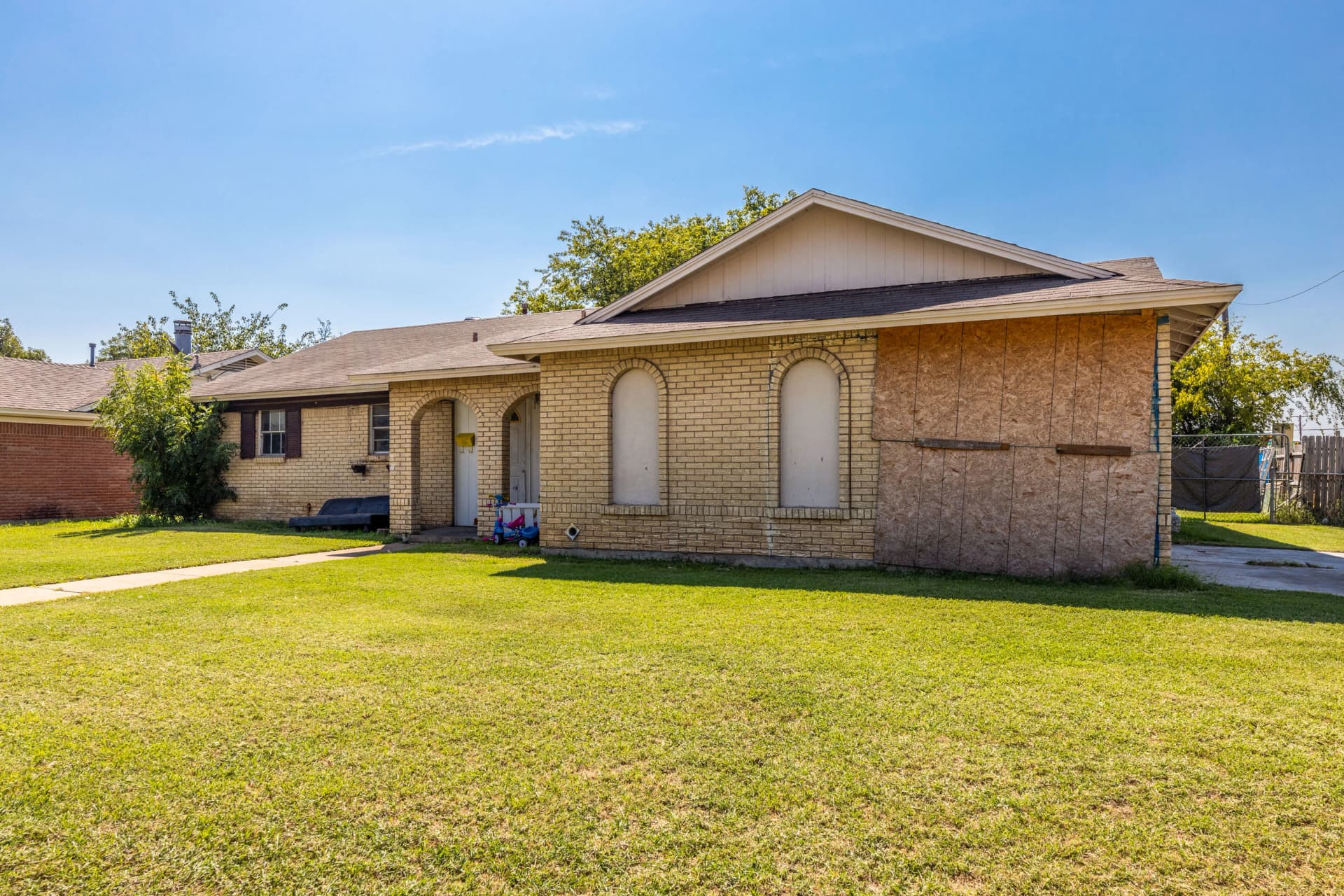
Selling a house in Dallas requires understanding specific Texas property laws, local market conditions, and financial implications. The process involves mandatory seller disclosures, proper title transfers, and strategic timing to maximize returns. Dallas sellers must navigate unique requirements, such as the Texas Disclosure of Property Condition form, while accounting for factors including property taxes, closing costs, and capital gains. This guide provides comprehensive legal and financial guidance specific to the Dallas market, helping sellers avoid common pitfalls and make informed decisions throughout the sale of their property.
Legal Requirements for Dallas Property Sales
Texas law mandates specific legal steps when selling residential property. Sellers must complete the Texas Disclosure of Property Condition form, which requires disclosure of known issues with the property's foundation, roof, plumbing, electrical systems, and any water damage. Failure to disclose known defects can lead to legal liability even after the sale closes.
Title companies in Dallas typically conduct thorough title searches to identify any liens, encumbrances, or ownership disputes before closing. Sellers should address any title issues early, as unresolved problems can delay or cancel transactions. The deed must be properly executed and filed with the Dallas County Clerk's Office to complete the legal transfer of ownership.
Homeowners association requirements add another layer of complexity. Many Dallas neighborhoods have HOAs with specific resale packages and disclosure forms. Sellers must provide buyers with HOA documents, financial statements, and any pending special assessments. Non-compliance can result in post-closing legal complications.
Disclosure Requirements Table
| Required Document | Purpose | Who Provides | Timeline |
| Seller's Disclosure Notice | Reveals known property defects | Seller | Before offer acceptance |
| Lead-Based Paint Disclosure | Required for homes built before 1978 | Seller | During a property showing |
| HOA Resale Package | Community rules and financial status | HOA | Within 10 days of the request |
| Natural Gas Pipeline Notice | Proximity to pipelines | Seller | Before closing |
Financial Considerations for Dallas Sellers
Understanding the full financial picture helps Dallas sellers maximize their net proceeds. According to recent market data, the Dallas-Fort Worth area has seen significant price appreciation, with home values increasing 8.3% year-over-year as reported by the Dallas-Fort Worth Association of Realtors. This market strength positions sellers well, but proper financial planning remains essential.
Closing costs in Texas typically range from 2-5% of the sale price, including title insurance, escrow fees, attorney charges, and transfer taxes. Sellers usually pay the real estate commissions, which average 5-6% of the sale price and are split between buyer and seller agents. Property taxes in Dallas County rank among the highest in Texas, approximately 2.2% of assessed value, affecting both holding costs and buyer affordability. Primary residence exclusions apply even if sellers don't immediately purchase another home, unlike previous tax rules.
Bonus Tip: Schedule a professional home inspection before listing. Identifying and addressing issues early prevents costly repairs buyers demand during negotiations, often saving sellers thousands in last-minute concessions.
Dallas Market Timing and Strategy
The Dallas real estate market shows distinct seasonal patterns that affect both selling price and time on market. Spring months (March through May) typically see the highest buyer activity and sale prices, while winter months offer less competition but smaller buyer pools. Recent data from Zillow Research shows Dallas homes sell fastest in April, averaging just 21 days on market.
Pricing strategy significantly impacts financial outcomes. Overpricing leads to longer selling times and eventual price reductions, often resulting in lower final sale prices than properly priced homes. Competitive market analysis (CMA) from experienced agents helps identify optimal listing prices based on recent comparable sales in specific Dallas neighborhoods.
Interest rate fluctuations directly affect buyers' purchasing power. When rates rise, fewer buyers qualify for financing, potentially reducing demand and sale prices. Dallas sellers working with lenders can offer seller financing or rate buydowns to maintain market appeal during higher-rate periods, though these strategies require careful financial structuring.
Bonus Tip: Consider selling during off-peak months for motivated buyers who often face less competition and may make stronger offers to secure properties before the spring market inventory increases.
Things to Consider Before Making a Decision
Several personal and market factors should influence your decision to sell. Consider your current mortgage balance and remaining term, as refinancing might be more cost-effective than selling if rates drop significantly below your existing rate. Calculate your equity position, remembering that selling costs typically consume 8-10% of the sale price.
Assess your neighborhood's future outlook. Dallas is experiencing significant infrastructure development and corporate relocations that positively affect certain areas. Properties near major employers like Toyota's North American headquarters or the new Southwest Airlines training facility may see accelerated appreciation. Conversely, areas with rising crime rates or declining school ratings might warrant selling before values decrease. Conversely, if you have substantial capital losses from other investments, selling with gains might offset those losses for better overall tax positioning. OT Home Buyers can help you evaluate these factors and make a strategic decision based on your property’s unique position and your overall financial goals.
Bonus Tip: Consult a tax professional before selling, especially if you own multiple properties, have significant home equity, or are considering a 1031 exchange to defer capital gains taxes on investment properties
FAQS
How do property taxes work in Dallas?
Property taxes are prorated at closing based on the tax year. Sellers pay taxes up to the closing date, while buyers assume responsibility from that point forward. Recent Dallas property appraisals have increased significantly, affecting both closing calculations and future tax bills.
How much should I budget for seller closing costs?
Plan for 8-10% of your sale price in total selling costs, including real estate commissions (5-6%), title insurance, escrow fees, transfer taxes, and potential buyer concessions. Dallas-specific title insurance typically costs 0.6-0.8% of the sale price.
Do I need a real estate attorney in Texas?
Texas law doesn't require attorneys for real estate transactions, but title companies handle most closing functions. Complex situations like divorce sales, probate properties, or commercial conversions benefit from legal counsel to avoid future disputes.
What happens if my Dallas home doesn't appraise?
If the appraisal comes in below the sale price, buyers can request price reductions, make up the difference in cash, or terminate the contract. Sellers can also provide their own appraisal data to contest the original valuation.
How does the Texas homestead exemption affect my sale?
Primary residences with homestead exemptions offer protection from certain creditor claims and provide property tax relief. The exemption transfers to your new Texas home if you establish residency within two years of selling.
Should I sell my Dallas home myself?
For-sale-by-owner transactions save commission but require significant legal knowledge, marketing skills, and negotiation experience. Most FSBO sales in Dallas result in lower final prices than agent-assisted sales, according to National Association of Realtors data.
Key Takeaways
Successful Dallas home sales require understanding legal disclosures, financial implications, and market timing. Prepare by completing required seller disclosures, addressing title issues early, and budgeting 8-10% for total selling costs. Consider seasonal market patterns, your equity position, and tax implications before listing. Professional inspections and accurate pricing help maximize sale prices while minimizing delays. Each seller's situation differs, so evaluate your specific financial goals, timeline, and property condition to develop the optimal selling strategy for your Dallas home.
Need Professional Guidance?
OT Home Buyers provides specialized knowledge of Dallas real estate transactions, offering insights into local market conditions and legal requirements. The team understands Dallas neighborhoods, property values, and potential complications that can derail sales. For personalized assistance with your Dallas home sale, contact Vince at vince@otinvestmentsgroup.com or call 682-267-7741 to discuss your specific situation and options.
Sources
-
Zillow Research - Zillow Research
-
National Association of Realtors - National Association of Realtors
Related Articles

By Vince Chimoga • Jul 3, 2025
We Buy Houses in Dallas in As-Is Condition and Can Close Fast
No Repairs. No Fees. Just a Fast, Fair Cash Offer for Your Dallas Home—Exactly As It Is.
By William Henry • Feb 16, 2026
Sell My House in Dallas, TX Without a Realtor
Step-by-Step Guide to Selling Your House Without an Agent in Dallas
By Vince Chimoga • Jul 16, 2025
Sell My House Fast to a Cash Buyer in South Dallas (Pros and Cons)
Selling your house fast in South Dallas? Learn the pros and cons of working with a cash buyer, plus links to local Dallas County resources and what to expect