

How to Sell a Vacant Property in Dallas Without Ongoing Costs?
A Complete Guide to Reducing Monthly Expenses and Selling Your Dallas Property Faster
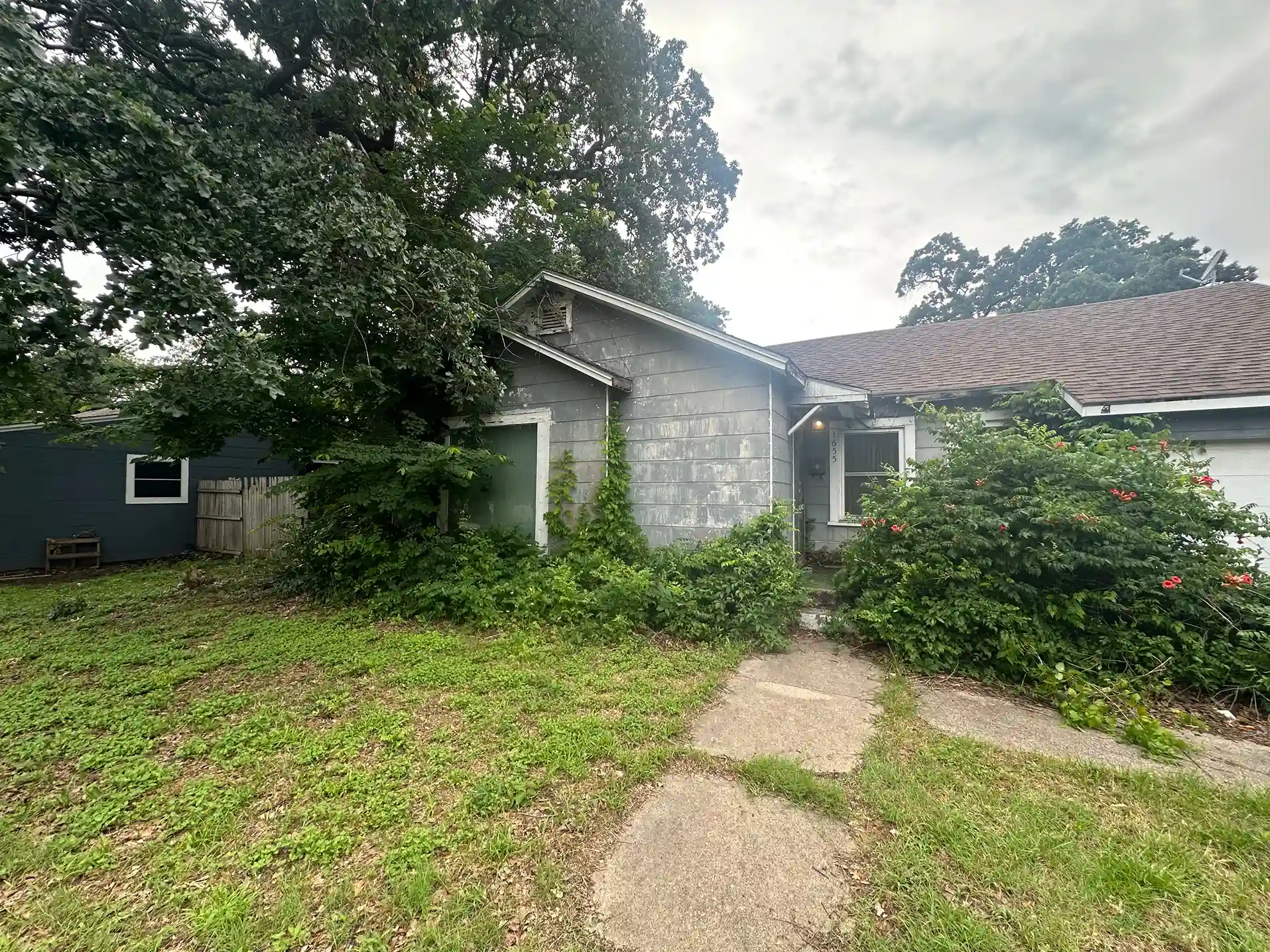
Selling a vacant property in Dallas without ongoing costs is most effectively achieved through a direct sale to a professional home buyer. This method bypasses the traditional listing process, eliminating expenses like utility bills, property maintenance, insurance premiums, and real estate agent commissions that accumulate while a property sits on the market. A direct sale provides a cash offer and can close in a matter of weeks, immediately stopping the financial drain associated with vacancy. This guide breaks down exactly how this process works, the costs it avoids, and how it stacks up against conventional selling methods in the Dallas market, providing the knowledge needed to make an informed decision.
The challenge of a vacant property isn't just finding a buyer; it's managing the property's financial and physical upkeep during the sale period. In Dallas's competitive real estate environment, understanding your options is the first step toward a solution that protects your investment and your peace of mind. We have extensive experience navigating these specific challenges in the Dallas-Fort Worth area and will outline the most practical path forward.
The Financial Drain of a Vacant Dallas Property
A vacant house in Dallas is a financial liability. Every month it remains unsold, it chips away at potential profits through a variety of holding costs. Understanding these expenses is crucial for grasping why a quick, direct sale can be so financially advantageous. The most obvious costs are utilities. Even with minimal use, a property needs electricity to deter pests and humidity, and water to maintain the lawn and prevent plumbing issues. During a scorching Dallas summer, running the air conditioner intermittently to prevent mold and warping can lead to surprisingly high electric bills.
Beyond utilities, property taxes remain a constant expense. According to the Dallas Central Appraisal District, property owners are responsible for annual taxes regardless of occupancy status. For a vacant property, this is a sunk cost that provides no return. Insurance premiums also often increase for vacant properties, as insurers consider them higher risks for vandalism, fire, or other damage. Furthermore, the physical upkeep demands attention and money. This includes regular lawn care to satisfy city ordinances and HOA rules, which can levy significant fines for neglect. Security is another concern; a vacant house can be a target for break-ins or squatters, potentially necessitating additional security measures. These combined costs can easily amount to hundreds or even thousands of dollars each month.
Comparison of Selling Methods
| Factor | Direct Sale to Professional Buyer | Traditional Listing with Agent |
| Timeline | Typically 7-30 days | 60-180+ days |
| Repairs | None required (buy as-is) | Usually required for appraisal and buyer appeal |
| Holding Costs | Eliminated quickly | Incurred for entire listing period |
| Closing Costs | Often covered by the buyer | Seller typically pays 2-4% of sale price |
| Selling Price | Below market value | At or near market value (after deducting costs) |
The Direct Sale Path to Zero Ongoing Costs
The direct sale process is designed for speed and simplicity, directly addressing the core problem of ongoing costs. It begins with a property owner contacting a professional home buyer. The buyer then conducts a quick evaluation of the property, often done virtually or with a brief in-person visit. This assessment considers the property's condition, location, and recent comparable sales in the area to determine a fair cash offer. Crucially, this offer is made without demanding any repairs or improvements from the seller. The buyer purchases the property in its current, "as-is" condition.
If the seller accepts the offer, the buyer typically handles the entire closing process. This includes managing the title work and paperwork, which removes a significant burden from the seller. Closings can happen on the seller's timeline, often in as little as two weeks. This rapid transfer of ownership is what halts the accumulation of holding costs. From the moment an offer is accepted, the seller knows exactly when the financial responsibility for the property will end.
Bonus Tip: When considering a direct sale, it is wise to get offers from a couple of reputable professional buyers. This allows you to compare offers and ensure the price you receive is competitive and fair for the Dallas market.
The Traditional Route and Its Accumulating Expenses
The traditional method of listing a property with a real estate agent presents a stark contrast. The process begins with preparing the home for sale, which often entails significant repairs and cosmetic updates to make it appealing to potential buyers. These costs can range from minor cosmetic fixes to major system replacements like a new roof or HVAC unit, running into tens of thousands of dollars. After preparation, the property is listed, and the clock starts ticking on holding costs. Data from Realtor.com shows that the average home in Dallas can stay on the market for over 60 days, and for a unique or vacant property, this period can be much longer. Every day on the market means more money spent on utilities, taxes, insurance, and maintenance.
Once a buyer is found, there are further expenses. The seller is typically responsible for paying the real estate commission, which is usually around 6% of the final sale price Zillow. Sellers also generally pay for a portion of the buyer's closing costs and their own attorney fees. After the sale closes, the final proceeds are the sale price minus the agent commission, closing costs, and all the holding costs that accumulated over the months-long process.
Bonus Tip: If you choose the traditional route, invest in a professional pre-listing home inspection. While it costs a few hundred dollars upfront, it can uncover deal-breaking issues later and give you a clear picture of necessary repairs, preventing surprises during negotiations.
Things to Consider Before Making a Decision
Choosing the right selling strategy depends entirely on your personal and financial circumstances. Before committing to a path, evaluate these key factors:
-
Your Timeline: How quickly do you need or want to sell? If you're facing a relocation, divorce, or inheritance situation, speed might be your top priority. A direct sale offers a definite timeline, while a traditional sale is unpredictable.
-
Property Condition: Does the house need significant repairs? If the cost and hassle of renovations are prohibitive, selling as-is to a professional buyer removes that entire burden.
-
Financial Goals: What is more important: maximizing the sale price or minimizing your total cost and stress? A traditional sale might fetch a higher price on paper, but after commissions, concessions, and months of holding costs, the net profit could be less than a direct cash offer.
-
Emotional Readiness: Dealing with showings, open houses, and uncertain buyer financing can be incredibly stressful. If you prefer a clean, decisive end to the property ownership, a direct sale provides that certainty.
Frequently Asked Questions
What closing costs will I have to pay?
In many direct sale transactions, the buyer covers the majority of standard closing costs, including title fees and escrow charges. The seller typically only needs to cover their own attorney or closing agent fees if they choose to hire one, which is often optional. This is a significant advantage over a traditional sale, where the seller can expect to pay 2-4% of the home's value in closing costs.
What if my property has code violations or title issues?
Professional home buyers are experienced in dealing with complex situations, including code violations, liens, or title defects. Part of their service is resolving these issues as part of the closing process. They have a network of professionals and legal resources to clear title and bring the sale to a close, which simplifies the process immensely for the seller.
Will I receive a lowball offer?
The cash offer from a professional buyer will likely be below the full market value of a perfectly prepared, traditionally sold home. However, this price reflects the convenience, speed, and certainty of the sale. To determine if an offer is fair, compare it to the net proceeds you would receive from a traditional sale after subtracting agent commissions, repair costs, and several months of holding costs. The net amount is often very similar.
How does the closing process work?
Once you accept the offer, a title company is selected. The title company performs a title search to ensure the property can be legally transferred. Closing documents are prepared for your review. You then meet with a closing agent or attorney to sign the paperwork. The entire process is managed for you and can be completed in as little as a week, with funds typically transferred to your account on the same day of closing.
Next Steps for Your Property
Deciding how to handle a vacant property in Dallas requires weighing the immediate financial relief of a direct sale against the potential for a higher price through a traditional listing. If your priority is to stop ongoing costs immediately and sell the property in its current condition without repairs, showings, or uncertainty, a direct sale represents a practical and efficient solution. It provides a clear, predictable path to closing.
For property owners who want to explore this streamlined selling option further, OT Home Buyers specializes in purchasing vacant properties directly throughout the Dallas area. To receive a no-obligation cash offer and understand how this approach applies to your specific property, you can contact them directly at vince@otinvestmentsgroup.com or call 682-267-7741. Getting an offer is a simple first step to gaining clarity on your options.
Sources
-
Dallas Central Appraisal District - Dallas Central Appraisal District
-
Zillow - Zillow
-
Realtor.com - Realtor.com
Related Articles
By William Henry • Nov 26, 2025
Sell My Vacant Home for Cash in Dallas: Fastest Methods
Practical steps to speed up the sale of a vacant house in Dallas
By William Henry • Mar 11, 2026
How Much Does Staging Really Add to Your Selling Price?
A data-driven look at how staging influences sale price, buyer perception, and time on market—so you can decide if it’s worth the investment
By William Henry • Dec 15, 2025
Fast Closing Deals in 2026. What Investors Should Plan Before Starting
Key Preparations Smart Investors Must Make to Close Deals Faster in 2026