

How to Sell My House Fast When I Am Behind on Mortgage Payments
A step-by-step guide to selling quickly, reducing financial pressure, and avoiding foreclosure complications
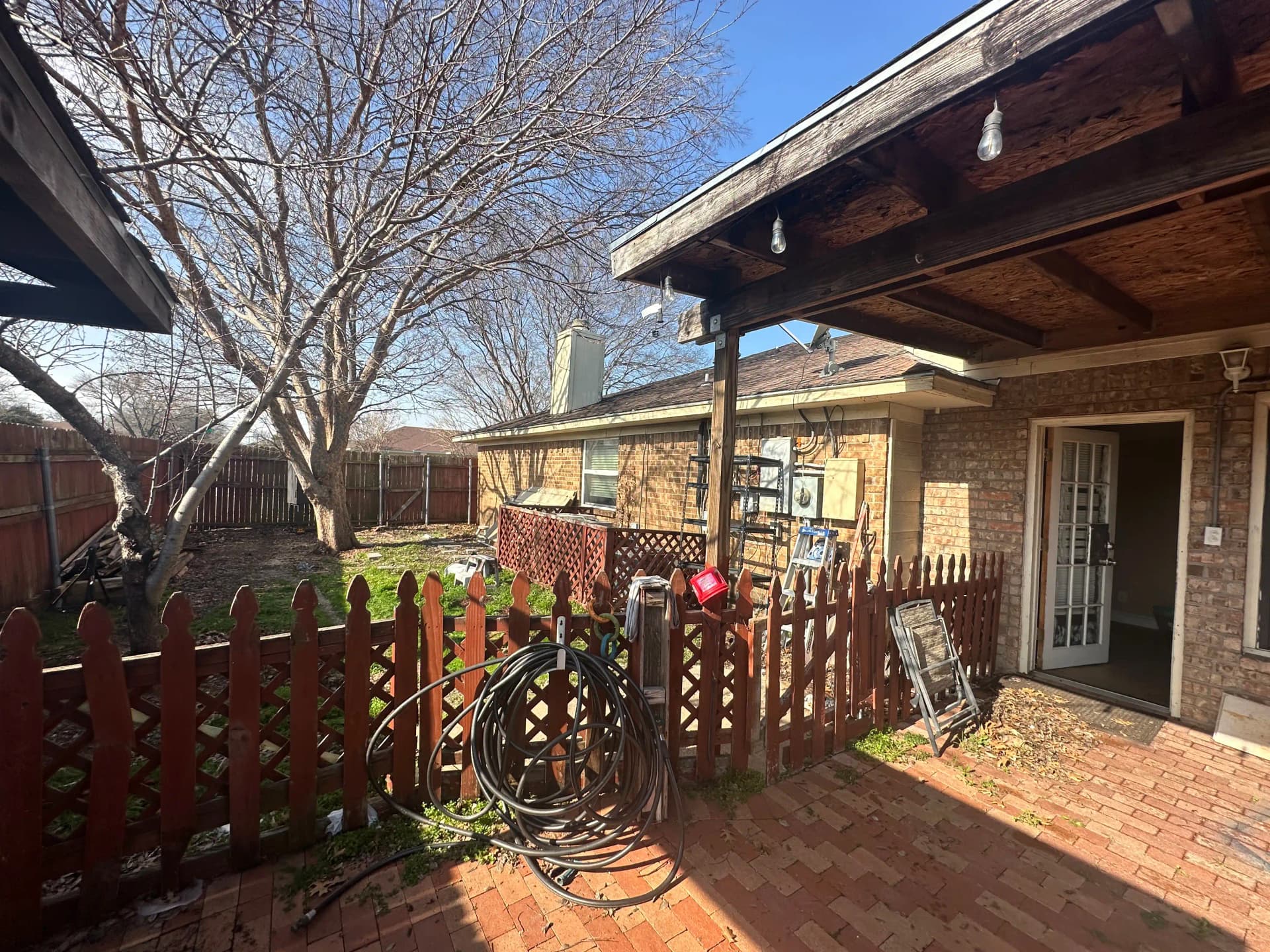
The fastest way to sell a house when falling behind on payments is to accept a cash offer from a real estate investor or list the property significantly below market value to generate immediate interest. Traditional methods often take too long for sellers facing foreclosure timelines, making speed the primary factor over profit maximization. OT Home Buyers specializes in helping homeowners in these exact situations, providing solutions that close transactions in days rather than months. This guide covers the specific steps, options, and financial implications for stopping foreclosure and protecting future financial stability.
Understanding the Foreclosure Timeline
Missing mortgage payments triggers a strict schedule set by state laws and lender policies. Once a payment becomes late, fees accumulate quickly, and the lender typically begins pre-foreclosure proceedings after three to six months of missed payments. The specific timeline varies significantly by state, with some requiring judicial review and others allowing non-judicial sales. According to data from ATTOM Data Solutions, the average foreclosure process nationwide takes over 900 days, though this varies widely by location. This window offers homeowners who want to sell a pre-foreclosure house the opportunity to do so before options become limited in the final stages.
Options for Selling Quickly
Sellers generally have three distinct paths to resolve debt through a sale. Each method offers different trade-offs between speed, net profit, and control over the process.
Traditional Listing With an Agent
Listing with a realtor exposes the property to the widest pool of buyers. However, this route requires the home to be in good condition. Lenders rarely finance homes with major structural issues or peeling paint, meaning sellers must pay for repairs upfront. The National Association of Realtors reports that the average home stays on the market for about 3 weeks before closing, though it can take 2 months or longer if price reductions are necessary. For someone already behind on payments, this timeline might be too tight.
-
Bonus Tip: If listing traditionally, price the home 5% to 10% below comparable sales immediately. This aggressive pricing strategy attracts multiple offers quickly and can shorten the closing window.
Selling to a Cash Investor
Cash buyers purchase properties "as-is," eliminating the need for repairs, inspections, or appraisals. These investors use their own funds or private lending to bypass the slow bank approval process. This method allows closings in as little as seven to ten days. OT Home Buyers frequently handles transactions on this timeline, preventing the foreclosure from permanently damaging credit scores. The trade-off is that the offer price will generally be lower than the retail market value to account for the risk and repair costs the buyer assumes.
-
Bonus Tip: Always request proof of funds from a cash buyer before signing a contract. This ensures the buyer has the liquid capital available to close quickly without last-minute financing delays.
Short Sale
A short sale occurs when the lender agrees to accept less than the mortgage balance. This option requires the lender's approval and involves significant paperwork. While it avoids foreclosure, the process is slow and complex. Lenders review the seller's financial hardship, tax returns, and bank statements to determine if the sale is justified. This process can take months, often leading to rejection if the financial hardship documentation is deemed insufficient.
Comparing Your Sale Options
Understanding the differences between these methods helps in making an informed decision. The table below outlines the key factors for each approach.
| Sale Option | Typical Closing Speed | Property Condition Required | Credit Impact | Seller Effort |
| Traditional Listing | 30 to 60+ Days | Excellent/Move-in Ready | Neutral (if paid off) | High (Repairs, Showings) |
| Cash Investor | 7 to 14 Days | Any Condition (As-Is) | Potentially Less Damage | Low (No Repairs) |
| Short Sale | 90 to 180+ Days | Any Condition | Negative (Better than Foreclosure) | High (Extensive Paperwork) |
Market Factors Affecting Speed
Current housing market conditions influence how quickly a home sells. High interest rates have cooled buyer demand in many sectors, causing properties to sit on the market longer. According to Realtor.com, active listings have increased significantly compared to previous years, giving buyers more choices and reducing the urgency to bid quickly. In a buyer's market, sellers must compete aggressively on price or condition. Cash investors remain active regardless of interest rates because they do not rely on traditional financing, making them a reliable option during slower market periods.
Climate and Regional Considerations
Selling a home in winter or during the holiday season often takes longer on the open market due to lower buyer traffic. Families prefer not to move during the school year or in harsh weather. However, cash investors are not deterred by snow or seasonal lulls. In regions with extreme weather, roof or foundation damage must be disclosed, often scaring away traditional buyers who cannot secure loans for damaged properties. Cash buyers expect these issues in certain climates and factor repair costs into their offers.
Things to Consider Before Making a Decision
Evaluating personal priorities helps narrow down the best course of action.
-
Financial Deficiency: If the sale proceeds do not cover the mortgage balance, the lender might pursue a deficiency judgment for the difference in some states. Short sales and cash offers can sometimes negotiate a waiver of this deficiency.
-
Tax Implications: Forgiveness of debt by a lender may be treated as taxable income by the IRS. Consulting a tax professional before agreeing to a short sale or a deed-in-lieu is essential to understanding potential tax bills.
-
Moving Logistics: Securing a new place to live takes time and money. A fast cash sale provides a definitive closing date, enabling better planning than an indefinite short-sale process.
Frequently Asked Questions
How long does a foreclosure stay on a credit report?
A foreclosure entry remains on a credit report for seven years from the date of the first missed payment that led to the foreclosure. Its impact on credit scores lessens over time, but it significantly hinders the ability to buy a new home in the near future.
Can I stop a foreclosure auction at the last minute?
It is possible to stop an auction up until the moment the gavel falls, usually by filing for bankruptcy or paying the full amount owed. Selling the property is difficult this late in the process because most buyers need time to close. A cash buyer with proof of funds is the only viable option this close to the sale date.
What is a deed in lieu of foreclosure?
This is an agreement in which the homeowner voluntarily transfers title to the lender to avoid foreclosure. It damages credit less than a foreclosure, but still results in the loss of the home.
Do I need a real estate attorney?
While not always required by law in every state, having an attorney review contracts is highly advisable when behind on payments. They can identify potential liability issues and ensure the lender releases the lien properly upon closing.
Moving Forward
Facing the potential of foreclosure can be stressful, but selling the property remains a viable solution. Speed is the most critical factor for protecting credit and minimizing fees. While listing on the open market might yield a higher price, the risk of running out of time is high. Cash offers provide certainty and speed, allowing homeowners to pay off the debt and move on. Evaluating the specific financial situation, local market conditions, and timeline will dictate the best path.
Get Professional Help
Selling a distressed property requires expert knowledge to navigate the legal and financial complexities. OT Home Buyers provides fast, fair cash offers for homes in any condition. Contact the team at vince@otinvestmentsgroup.com or call 682-267-7741 to discuss the available options and receive a no-obligation offer.
Sources
-
ATTOM Data Solutions - ATTOM Data Solutions
-
Realtor.com - Realtor.com
-
National Association of Realtors - National Association of Realtors
Related Articles
By William Henry • Oct 26, 2025
Can You Sell Your Home if You Have a Mortgage?
Understand how selling works when you still owe money and how to payoff your mortgage at closing.
By Alex Murphy • Dec 12, 2025
How to Sell Your Dallas Home When You Have a Mortgage
Discover how to sell your Dallas home even if it has an outstanding mortgage. Learn the steps and tips to navigate this process successfully.

By Vince Chimoga • Aug 26, 2025
Behind on Mortgage? Your Options Before It’s Too Late
Missed mortgage payments in Dallas? Learn your options loan modifications, assistance programs or a fast as is cash sale before foreclosure takes over.