

How to Sell My House Without Appraisal or Inspection Problems
A Practical Guide to Selling Your Home As It Is Without Appraisals, Inspections, or Unexpected Delays
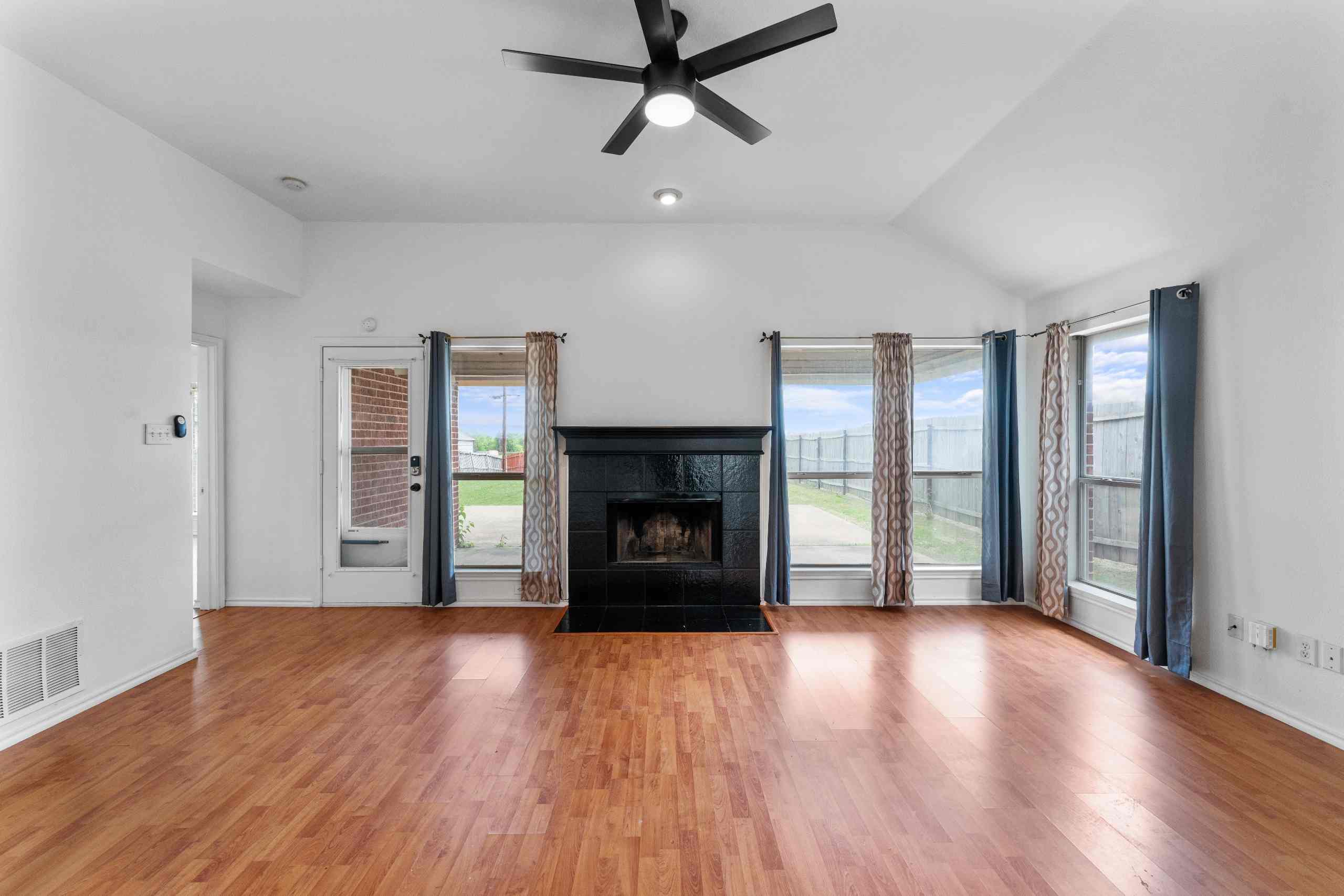
The most effective way to sell a house without facing appraisal or inspection issues is to accept a cash offer from a buyer who waives these contingencies. This eliminates the lender's valuation requirements and allows the seller to bypass the traditional repair negotiation process. If selling on the open market, the seller must price the home aggressively based on recent comparable sales and complete all major maintenance tasks before listing the property to minimize the chances of deal failure.
Appraisals and inspections act as the two biggest hurdles in a traditional real estate transaction. They determine if the property is worth the loan amount and if the structure is sound enough for habitation. When these steps go poorly, deals collapse, costing sellers time and money. Understanding how to structure a sale to avoid these pitfalls provides a significant advantage in any market condition. OT Home Buyers has extensive experience managing transactions where these traditional hurdles are removed entirely, ensuring a smoother closing process.
Understanding Why Deals Fail
Most real estate transactions fail because of financing contingencies tied to appraisals. A lender will not provide a mortgage for more than the home's appraised value. If the appraisal comes in low, the buyer must cover the difference in cash, or the seller must lower the price. According to the National Association of Realtors, appraisal issues were cited as the reason for approximately 9% of delayed settlement agreements in recent years.
Inspections present a different challenge. Once an inspector identifies problems, the buyer often demands repairs or a price reduction. In older housing markets, these demands can reach thousands of dollars. Sellers who refuse to negotiate may find the buyer walking away to exercise their inspection contingency.
Strategies to Bypass Traditional Hurdles
Sellers have several options to mitigate or eliminate these risks. The choice depends largely on how fast the seller needs to move and how much work they are willing to put into the property beforehand.
The Cash Buyer Advantage
Cash buyers do not require a mortgage. Without a lender involved, the appraisal contingency becomes optional rather than mandatory. Many cash buyers, particularly investors like OT Home Buyers, purchase properties "as-is." This means they accept the house in its current condition, regardless of what an inspection report might reveal.
This method removes the negotiation leverage that buyers typically hold over sellers regarding minor cosmetic defects or necessary repairs. It shifts the risk from the seller to the buyer, who has the capital and expertise to handle issues after closing.
Pre-Listing Repairs and Disclosures
For those choosing the traditional market route, proactive maintenance is the best defense. Addressing major systems like the roof, HVAC, and foundation before listing reduces the likelihood of a "deal-killing" inspection report.
Sellers should also provide a pre-listing inspection. This allows the seller to identify issues first and either fix them or price the home accordingly. It prevents the surprise factor that often causes buyers to back out.
Pricing It Right the First Time
Overpricing is the primary cause of low appraisals. When a home lists for significantly more than recent comparable sales, appraisers struggle to justify the value. Sellers should review the "closed" sales in their neighborhood from the last six months, not just the "active" listings.
-
Bonus Tip: Look at the price per square foot of nearby homes that sold recently. If your asking price is significantly higher than the average without a clear reason, like a pool or renovation, an appraisal gap is likely.
Comparison of Selling Methods
Different selling methods carry different risks regarding appraisals and inspections.
| Selling Method | Appraisal Risk | Inspection Risk | Speed of Sale |
| Traditional (Financed Buyer) | High - Lender required valuation | High - Buyer will likely negotiate repairs | 30 to 60 Days |
| Cash Buyer (Investor) | Low - Valuation determines offer, not deal viability | Low - Usually buys "as-is" | 7 to 14 Days |
| For Sale By Owner | Variable | Variable | 30 to 90+ Days |
| iBuyer | Low - Usually uses automated valuation models | Moderate - Often charges a "service fee" for repairs | 14 to 30 Days |
Regional Climate and Property Considerations
In regions with extreme weather, specific inspection issues arise more frequently. For example, in areas with high heat and humidity like Texas, foundation movement is a common concern. Expansive soil shifts with moisture changes, causing cracks in sheetrock and uneven floors. A standard inspection almost always flags these issues, sending traditional buyers running.
Similarly, homes in areas prone to severe weather events often sustain roof damage over time. A buyer's inspector will check the age of the roof and look for missing shingles or granule loss. If a roof is nearing the end of its life, insurance companies may refuse to cover it, causing the financing to fall through.
-
Bonus Tip: In hot climates, ensure the HVAC system is serviced, and records are available to prove it works efficiently. This builds trust with buyers and inspectors regarding the home's livability during the summer months.
Things to Consider Before Making a Decision
Deciding how to sell requires weighing several factors. Every seller's situation is unique, and the "best" option depends on immediate needs and financial goals.
-
Financial Cushion: Can the seller afford to pay for repairs upfront? If not, a cash offer is often safer.
-
Timeline: Does the seller need to move within a specific timeframe? Traditional sales can fall through at the last minute.
-
Market Conditions: In a buyer's market, inspections are used aggressively to negotiate price drops. In a seller's market, buyers may waive contingencies to compete, though this is less common with rising interest rates.
-
Emotional Bandwidth: Handling repair requests and low appraisal offers causes significant stress. Some sellers prefer the certainty of a lower cash offer over the stress of a volatile traditional sale.
Market Trends and Valuation Data
Current market volatility affects appraisal accuracy. Data from Zillow indicates that home value appreciation has slowed in many markets compared to the peaks of recent years. When prices flatten or dip, appraisers rely heavily on historical data that may not yet reflect the current slowdown. This lag often results in appraisals coming in lower than the agreed-upon purchase price.
Furthermore, interest rates influence appraisal gaps. Higher rates reduce a buyer's purchasing power, meaning fewer buyers can stretch to cover a low appraisal. When rates were low, buyers often had extra cash to bridge the gap. Now, buyers are less willing or able to do so, making the appraisal a harder line to cross.
FAQS
Do all cash buyers skip inspections?
Not all, but most investors do. While they may still perform an inspection to assess the work needed after purchase, they rarely use it to negotiate a lower price at the closing table. They usually build their repair costs into the initial offer.
Can I sell my house as-is on the regular market?
Yes, but the home must still meet certain lender requirements for the buyer to get a loan. FHA and VA loans have strict property standards that an as-is home might fail, limiting your pool to conventional or cash buyers.
What happens if the appraisal is low but the buyer wants to proceed?
The buyer must bring the difference in cash to the closing table. If they cannot qualify for a loan that covers the difference, or if they do not have the liquid assets, the deal will likely terminate.
Should I get my own appraisal before listing?
It is generally not recommended. An appraisal is only valid for a specific property on a specific date for a specific buyer. Lenders will not accept a seller-ordered appraisal during the buyer's financing process.
How fast can a cash sale close compared to a traditional one?
A cash sale can often close in as little as seven to ten days once the title work is clear. A traditional sale usually takes 30 to 45 days due to lender underwriting and processing requirements.
Moving Forward With Confidence
Selling a home without appraisal or inspection problems requires a strategic approach. The most secure path involves removing the lender from the equation and accepting an as-is cash offer. Alternatively, sellers can list traditionally but must aggressively price the property and address maintenance issues upfront to survive the scrutiny of inspections and bank valuations. Sellers should evaluate their financial reserves and timeline constraints to determine which path offers the best security for their specific situation.
Ready for a Stress-Free Sale?
If you want to avoid the uncertainty of appraisals and inspection negotiations, OT Home Buyers can help. We purchase properties directly for cash, allowing you to sell quickly and efficiently. To discuss your options and receive a no-obligation offer, please contact Vince at vince@otinvestmentsgroup.com or call 682-267-7741.
Sources
-
National Association of Realtors - National Association of Realtors
-
Zillow - Zillow
Related Articles
By William Henry • Nov 28, 2025
How Cash Buyers Work and How They Can Help You Sell Quickly
A simple guide to the way investor buyers purchase homes
By William Henry • Nov 26, 2025
Sell My Vacant Home for Cash in Dallas: Fastest Methods
Practical steps to speed up the sale of a vacant house in Dallas
By William Henry • Nov 24, 2025
How to Get a Fair Cash Offer for Your Dallas House
A clear guide to understanding and evaluating investor offers in Dallas