

Selling a Vacant Property for Cash Without Ongoing Costs
Smart Strategies to Eliminate Holding Costs and Close for Cash Faster
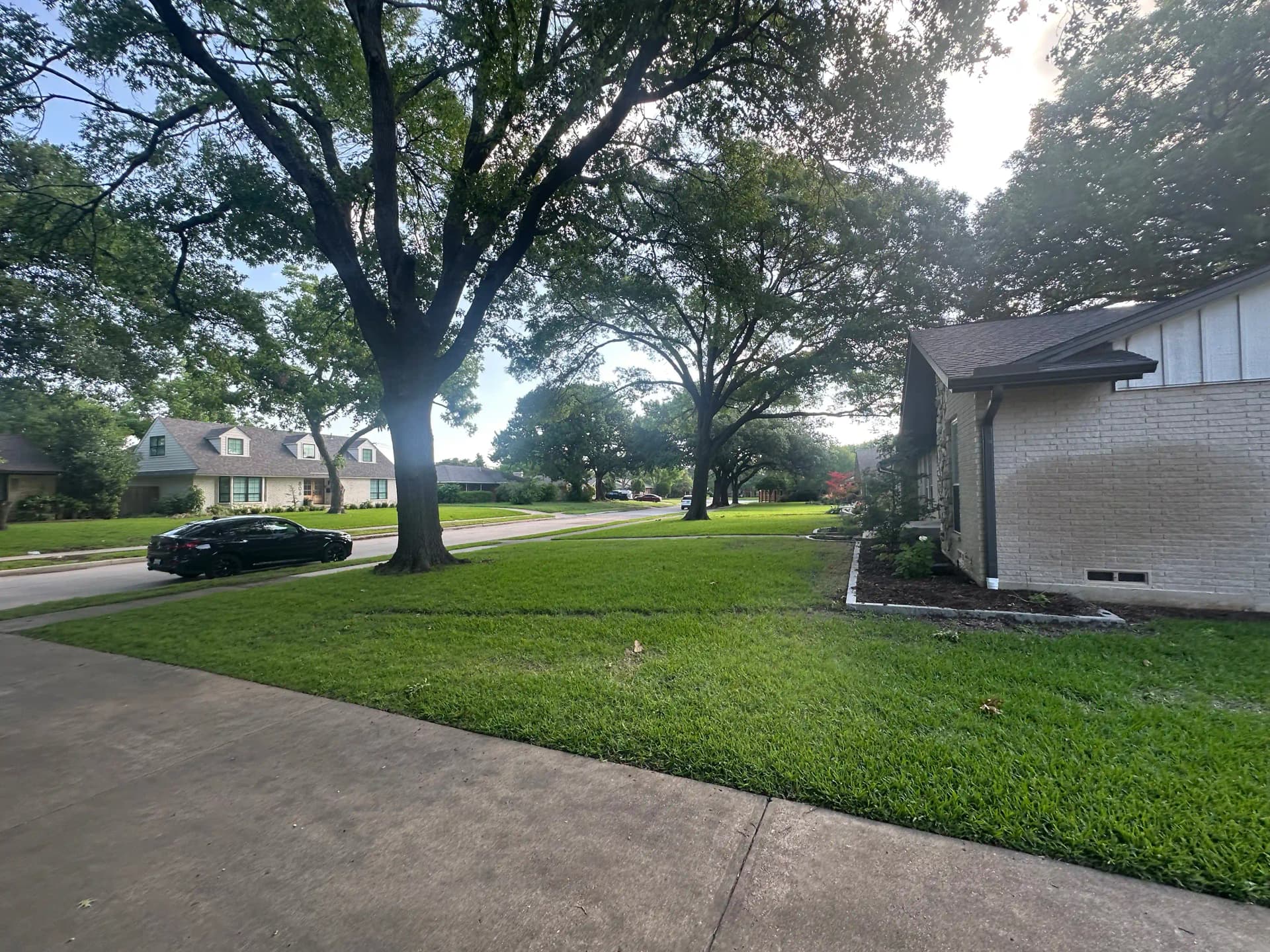
The most effective way to sell a vacant property for cash without incurring further ongoing costs is to bypass the traditional real estate market and sell directly to a private investment firm. This method eliminates the holding costs that accumulate while a house sits on the market, such as property taxes, insurance, utilities, and maintenance fees. By choosing a direct cash sale, you transfer the property in its current condition, removing the need for repairs or cleaning, and typically close the transaction within a few weeks rather than several months.
Owning an empty house is rarely a static situation; it is an active financial liability. Every day the property remains unsold, it consumes capital that you cannot recover. This reality often catches owners off guard. We specialize in reversing this dynamic by purchasing properties directly, allowing owners to convert a draining asset into liquid cash immediately. This guide explains how to navigate this process efficiently and why speed is often the most critical factor in preserving your equity.
The Financial Reality of Holding Vacant Real Estate
Many homeowners assume that because no one is living in the house, it costs nothing to keep. The opposite is true. A vacant home requires constant financial inputs to remain legally compliant and structurally sound. These "silent costs" erode the final profit margin the longer the property remains unsold.
The Insurance Complication
Standard homeowner insurance policies are designed for occupied residences. When a home sits empty for more than thirty days, most insurance carriers consider the policy void or severely restrict coverage. To maintain protection, you must secure a specific vacant home policy. A report from Bob Vila notes that these specialized policies are necessary because the risk of undetected damage, such as a burst pipe or electrical fire, increases significantly when no one is present to mitigate the issue immediately. Without this coverage, a single incident could result in a total loss.
Physical Deterioration and Maintenance
Houses are built to be lived in. When they stand empty, systems begin to fail. Seals dry out, pests move in, and minor issues spiral into major repairs. You are still responsible for keeping the lawn mowed, the snow shoveled, and the exterior presentable to avoid municipal fines. Local code enforcement officers often patrol for signs of neglect, and an overgrown lawn is a clear signal that a property is empty. Citations from the city can add up quickly, becoming a lien against the property that must be paid before you can sell.
Security Risks
An empty house attracts unwanted attention. Vandalism and theft are common issues for vacant properties. Copper piping, appliances, and even air conditioning units are frequent targets for thieves. According to Security Magazine, vacant properties pose a unique security challenge because they lack the "natural surveillance" provided by neighbors and residents. Dealing with a break-in requires filing police reports, boarding up windows, and repairing damage, all of which demand your time and money.
Bonus Tip: If you live far from the vacant property, ask a trusted neighbor to park their car in the driveway occasionally and pick up any flyers or mail. This small activity can create the illusion of occupancy and deter casual intruders.
The Traditional Market vs. A Cash Sale
Understanding the structural differences between listing a home and selling for cash is vital for making the right financial decision. The traditional market focuses on finding a buyer who will live in the house, which usually requires the property to be in perfect condition. A cash sale focuses on speed and convenience.
The Inspection Trap
In a traditional sale, the buyer will hire a professional inspector. This nearly always leads to a second round of negotiations where the buyer demands repairs or a lower price based on the findings. You might agree to a price, only to have it slashed weeks later because of an old roof or outdated wiring. With OT Home Buyers, we buy the property "as-is." We factor the condition into our initial assessment, meaning there are no post-inspection renegotiations or repair demands. You know exactly what the outcome will be from the start.
Uncertainty of Financing
Most retail buyers rely on bank mortgages. When you try to sell a mortgaged house through a traditional buyer, the transaction depends on lender approval, strict appraisals, and underwriting. If the buyer’s credit changes or the property fails to meet habitability standards, the deal can collapse days before closing. This resets the timeline and forces you to start over. Selling for cash removes the lender from the process and avoids these last-minute failures.
Comparison of Selling Methods
The following table outlines the operational differences between the two approaches, highlighting where time and effort are spent.
| Factor | Traditional Agent Listing | Direct Cash Sale |
| Property Condition | Must be "show ready" and clean | Sold exactly as it stands (As-Is) |
| Market Exposure | Public listing, open houses, online photos | Private transaction, no signage |
| Financing Contingencies | High risk of buyer loan denial | None (Funds are ready) |
| Negotiation Style | Multiple rounds (Initial, Inspection, Appraisal) | One upfront agreement |
| Holding Responsibility | Owner pays until final closing (Months) | Responsibility transfers immediately |
| Closing Timeline | Unpredictable (Dependent on banks) | Flexible and Guaranteed |
Things to Consider Before Making a Decision
Before choosing a route, you should assess your personal resources and the property's specific situation.
Your Available Time
Do you have time to manage contractors, oversee landscaping, and conduct weekly property check-ins? If you work full-time or live out of state, managing a vacant home can feel like a second job. If your time is limited, a hands-off cash sale returns that time to you immediately.
Liquidity Needs
Consider how urgently you need the capital tied up in the house. If you are looking to reinvest the money, pay off other debts, or handle a life event, waiting months for a traditional closing might not be an option. Cash sales provide liquidity on a schedule you control.
Emotional Attachment
Selling a family home or a property you lived in for years can be emotional. A traditional sale involves strangers walking through your home, criticizing its style, and demanding changes. A direct sale is private and professional, sparing you the emotional toll of public scrutiny.
Market Trends for Vacant Housing
The real estate market fluctuates, but the liability of a vacant home remains constant. Data from Attom Data Solutions suggests that vacancy rates often correlate with longer days on market in certain regions. When inventory rises, buyers become pickier. They avoid homes that look abandoned or smell musty, preferring turn-key properties. This means a vacant home often sits on the market longer than an occupied, staged home, compounding your holding costs.
Bonus Tip: If you decide to list traditionally, ensure the utilities are on. A house without electricity or water is a red flag to inspectors and appraisers, and some loan types (like FHA) will not fund a home if the utilities are not functional during the inspection.
Frequently Asked Questions
Can I sell if I am behind on taxes?
Yes. Selling the property is a common way to resolve tax delinquency. The proceeds from the sale are applied to the overdue taxes at closing, satisfying the debt and allowing you to receive the remaining equity. This stops the foreclosure process and protects your financial record.
Do I need to attend the closing in person?
Not necessarily. If you live out of the area or cannot take time off work, the title company can often arrange for a "mail-away" closing or send a mobile notary to your location to handle the signatures.
Will I have to pay for an appraisal?
No. In a direct cash transaction with us, we perform our own internal valuation. You do not need to pay for a third-party appraisal, which is a standard cost and delay in traditional bank-financed deals.
What if the house has code violations?
We buy houses with active code violations, open permits, or zoning issues. You do not need to resolve these with the city before selling. We take on the burden of correcting the violations after we take ownership.
Conclusion
Selling a vacant property is a race against time. The longer the property sits idle, the more it degrades physically and financially. While the traditional market offers the potential for a retail price, it demands a significant investment of time, money, and stress to get the home ready for picky buyers and strict lenders.
For many owners, the most brilliant financial move is to cut the cord on the ongoing liabilities. By selling for cash, you secure a definite result. You eliminate the risk of theft, the cost of insurance, and the burden of tax payments. You gain the freedom to move forward with your life and your capital.
Contact Us for a Solution
If you are ready to end the costs associated with your vacant property, OT Home Buyers is here to help. We provide a straightforward, transparent process designed to get you paid and absolve you of the property's burdens.
-
Phone: (682) 267-7741
-
Email: vince@otinvestmentsgroup.com
-
Website: OT Home Buyers
Sources
-
Bob Vila - Bob Vila
-
Security Magazine - Security Magazine
-
Attom Data Solutions - Attom Data Solutions
Related Articles
By William Henry • Nov 26, 2025
Sell My Vacant Home for Cash in Dallas: Fastest Methods
Practical steps to speed up the sale of a vacant house in Dallas
By William Henry • Dec 15, 2025
Fast Closing Deals in 2026. What Investors Should Plan Before Starting
Key Preparations Smart Investors Must Make to Close Deals Faster in 2026

By Vince Chimoga • Sep 2, 2025
We Buy Houses in Dallas in any Condition and Can Close Fast
Need to sell quickly? OT Home Buyers purchases Dallas homes in any condition, as is, with cash and can close in as little as 7 days.