

Tax Consequences of Selling a House in Texas (Capital Gains Guide)
Understand how capital gains tax works when selling a Texas home, including IRS exclusion rules, tax rates, and strategies to reduce your tax liability
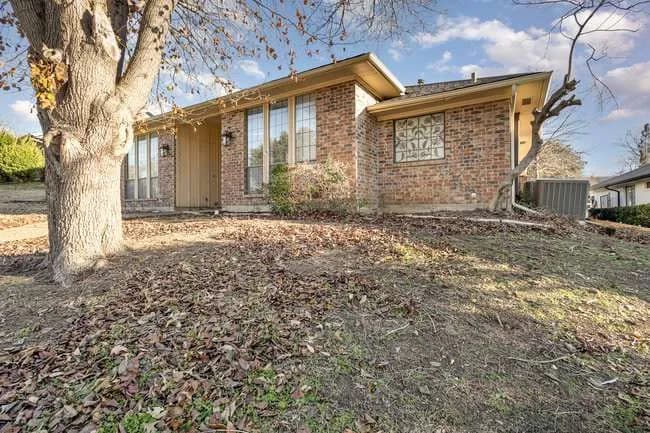
When selling a house in Texas, homeowners must understand the capital gains tax implications that could significantly impact their net proceeds. The good news is that most Texas homeowners won't pay federal capital gains taxes on their primary residence sale due to the substantial exclusion available, but specific rules and calculations determine eligibility and amounts. This guide breaks down everything you need to know about Texas home sale tax consequences, from the basic exclusion rules to special circumstances that could affect your tax liability.
As experienced real estate investors who have helped numerous homeowners navigate complex transactions, OT Home Buyers has firsthand knowledge of how capital gains taxes play out in real-world Texas property sales. We'll walk you through the calculations, deadlines, and strategies that can help minimize your tax burden while staying fully compliant with IRS requirements.
Understanding Capital Gains on Texas Home Sales
Capital gains tax applies when you sell property for more than your adjusted basis, which is essentially your purchase price plus improvements minus depreciation. For Texas homeowners, the federal capital gains tax rates depend on your income bracket and how long you owned the property. Short-term gains (properties owned less than one year) are taxed at ordinary income rates, while long-term gains benefit from preferential rates of 0%, 15%, or 20%.
The Texas real estate market has seen significant appreciation recently. According to the Texas Real Estate Research Center, the median home price in Texas increased by 14.4% from 2021 to 2022. This appreciation creates substantial potential capital gains for homeowners who've owned their properties for several years.
Bonus Tip: Keep detailed records of all home improvements, as these increase your basis and reduce taxable gains. Even seemingly minor upgrades like new flooring or landscaping can add up significantly over the years of ownership.
The Primary Residence Exclusion
The most important tax benefit for Texas homeowners is the Section 121 exclusion, which allows you to exclude a substantial amount of capital gains if single or double that amount if married filing jointly. To qualify, you must meet three key requirements:
-
Ownership Test: You owned the home for at least 2 of the last 5 years
-
Use Test: You lived in the home as your primary residence for at least 2 of the last 5 years
-
Two-Year Rule: You haven't used the exclusion on another home sale within 2 years
These tests don't need to be concurrent - the ownership and use periods can overlap or be separate within the five-year window. For example, you could own a property for five years, live in it for the first two, rent it out for two years, then move back for one year before selling.
Partial Exclusion Considerations: If you don't fully meet these requirements due to job relocation, health issues, or unforeseen circumstances, you might qualify for a partial exclusion. The IRS allows prorated exclusions based on the percentage of time you met the requirements.
Calculating Your Capital Gains
Understanding your actual taxable gain requires a step-by-step calculation:
-
Determine your gross proceeds from the sale
-
Subtract selling expenses (commissions, closing costs, etc.)
-
Subtract your adjusted basis (purchase price + improvements)
-
Subtract any applicable exclusion amount
Here's a practical breakdown of common tax implications:
| Tax Scenario | Single Filers | Married Joint Filers | Key Considerations |
| Partial Exclusion | Proportional amount | Proportional amount | Based on qualifying circumstances |
| No Exclusion | Full gain taxed | Full gain taxed | Investment properties or non-qualifying sales |
| Long-term Rate | 0%, 15%, or 20% | 0%, 15%, or 20% | Depends on taxable income |
Bonus Tip: Consider timing your sale strategically. If your income is unusually low in a particular year (perhaps due to retirement or job transition), selling during that year might qualify you for the 0% long-term capital gains rate, potentially eliminating tax on gains above the exclusion amount.
Texas-Specific Considerations
One major advantage for Texas homeowners is that the state doesn't have personal income tax or capital gains tax. This means you only need to worry about federal taxes, unlike homeowners in states like California or New York who face additional state-level taxes on their gains.
However, Texas does have property tax implications to consider. High property taxes in some areas can affect your overall return on investment. According to Tax Foundation data, Texas has the 6th highest property taxes in the nation, averaging 1.60% of home value annually.
Special Situations and Exemptions
Not all home sales follow standard rules. Several special circumstances can affect your tax treatment:
Inherited Properties: If you inherit a Texas home, you get a "stepped-up basis" to the fair market value at the time of death. This often eliminates capital gains taxes if you sell soon after inheritance, though you still need to consider other factors.
1031 Exchanges: While typically used for investment properties, a 1031 exchange might apply if your home was partially used for business or rental. This allows deferral of gains by reinvesting in similar property, but strict timing and identification rules apply.
Military Members: Active duty military personnel receive special consideration. The two-year use requirement can be extended to up to 15 years if you're deployed on extended orders, helping military families exclude gains despite frequent moves.
Things to Consider Before Making a Decision
Before listing your Texas property, evaluate these key factors:
Tax Year Planning: Consider which tax year makes the most sense to recognize the gain. If you anticipate a higher income next year, selling this year might be more advantageous, especially if it helps qualify for the 0% capital gains bracket.
Documentation Preparation: Gather receipts for all home improvements made during ownership. The burden of proof falls on you to substantiate your basis calculations, and good documentation prevents disputes.
Market Timing: While market timing shouldn't be your only consideration, understanding local market conditions affects both your sale price and potential tax implications. Consult local market data specific to your Texas metropolitan area.
Future Plans: Your post-sale plans matter. If buying another property, consider whether timing could affect your ability to maximize deductions or exclusions in future years.
Professional Guidance: Complex situations warrant professional advice. The cost of tax preparation often pales compared to potential tax savings from proper planning and filing.
Bonus Tip: Texas homeowners who've claimed home office deductions should maintain separate records for that portion of the property, as it affects the tax calculation differently from the residential portion.
FAQ
How long do I need to live in my Texas home to exclude gains?
You must have owned and lived in the home as your primary residence for at least two years out of the five-year period ending on the sale date. These periods don't need to be consecutive, and partial exclusions may apply if you don't fully meet the requirements due to specific circumstances like job relocation or health issues.
Do I need to report the sale if all gains are excluded?
Yes. You must report the sale on IRS Form 8949 and Schedule D, even if excluded. Excluding gains doesn't exempt you from reporting requirements.
What happens to capital gains if I move out and rent my Texas home?
Once you convert your primary residence to a rental property, you can no longer claim the primary residence exclusion for periods after conversion. However, you might still qualify for a partial exclusion based on the years you lived there as your primary residence before renting.
Are there any special considerations for seniors selling Texas homes?
No specific age-based exemptions exist for capital gains on home sales, regardless of being a Texas senior. However, seniors may benefit from lower overall income, potentially qualifying them for the 0% long-term capital gains rate, and unique situations like moving to assisted living facilities might qualify for partial exclusions under unforeseen circumstances provisions Zillow .
Conclusion
Selling your Texas home doesn't have to be a tax nightmare. The generous primary residence exclusion means most homeowners won't owe federal capital gains taxes, especially with proper planning. Key steps include documenting all improvements, understanding the ownership and use tests, and timing your sale strategically when possible.
Remember that while Texas doesn't impose state capital gains taxes, federal rules still apply. Each situation is unique, so consider your specific circumstances, property details, and financial picture when evaluating your tax consequences. Professional guidance often pays for itself in both compliance and potential tax savings.
Get Professional Tax Guidance for Your Texas Home Sale
OT Home Buyers understands that every Texas home sale presents unique tax considerations. Whether you're planning a sale now or exploring future options, having expert guidance can help you navigate the complexities of capital gains taxes while maximizing your financial outcome. For personalized assistance with your specific situation, contact the team at vince@otinvestmentsgroup.com or call 682-267-7741 to discuss your property and tax strategy needs.
Sources
Texas Real Estate Research Center - Texas Real Estate Research Center
Tax Foundation - Tax Foundation
Zillow - Zillow
Related Articles
By William Henry • Dec 30, 2025
How to Sell My Tax Default House Without Paying Taxes Upfront
A step by step look at selling before auction and settling tax liens at closing
By William Henry • Oct 28, 2025
Selling Inherited Property: Tax Implications & Options
Learn how inheritance taxes affect your sale and explore fast, profitable selling options
By William Henry • Jan 26, 2026
How to Sell My House When Property Taxes Are Overdue
Practical options to sell your home fast, avoid tax penalties, and move forward without added financial pressure