

What Addison, TX, Owners Can Do With Tax Default Properties
Clear Options to Resolve Back Taxes, Avoid Foreclosure, and Protect Equity
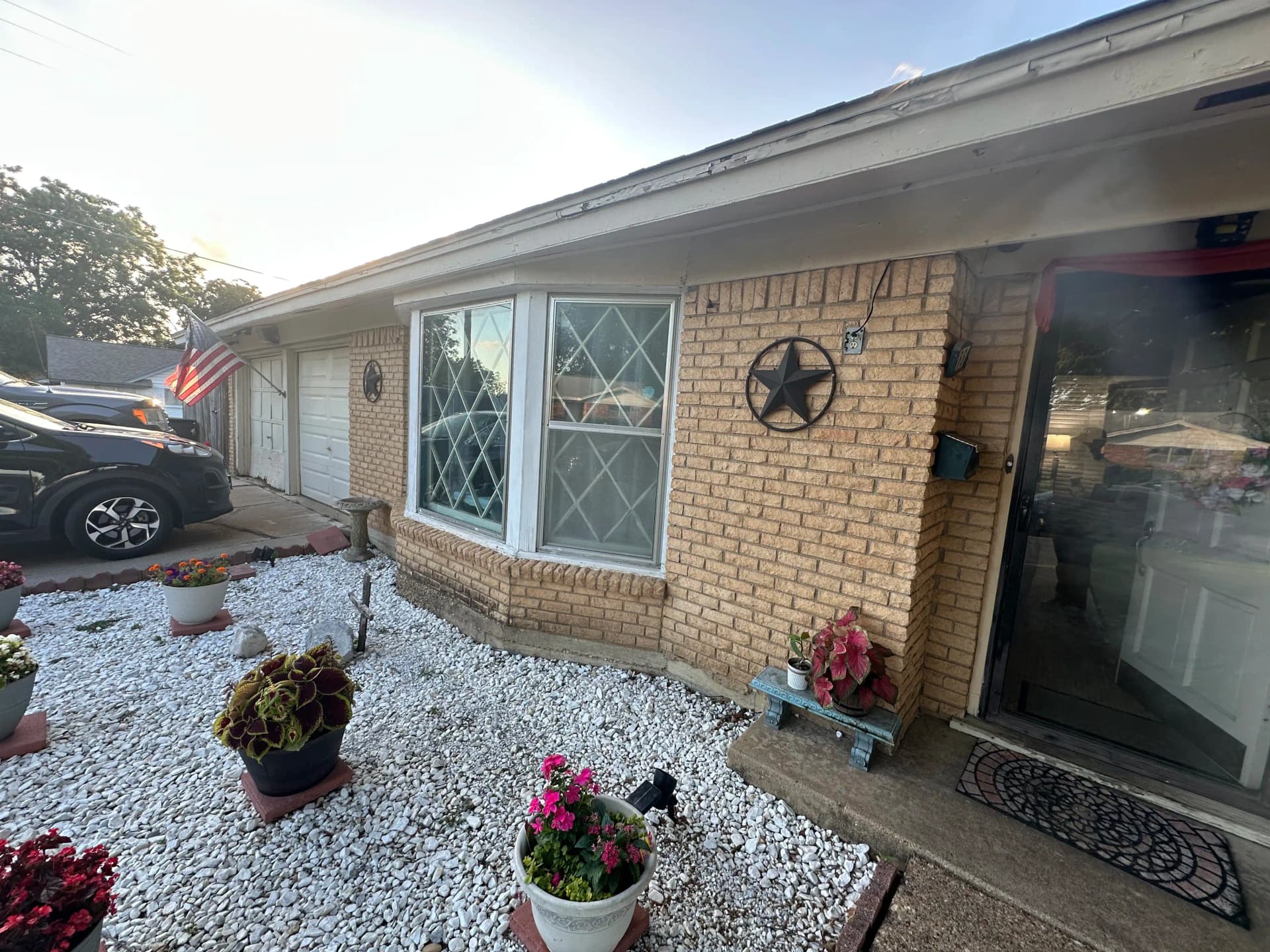
Addison homeowners facing tax default have several immediate options to resolve the debt, including entering an installment agreement with the county, applying for a deferral, securing a property tax loan, or selling the property to satisfy the lien. Acting quickly is essential because Texas law mandates severe penalties that escalate rapidly. Once a property enters tax default status on February 1st, penalties and interest begin accruing immediately, and by July 1st, an additional collection penalty of up to 20% attaches to the total bill.
This guide details the specific rights and strategies available to property owners in Dallas County. Understanding the legal framework surrounding tax delinquency allows owners to make informed financial decisions rather than facing surprise foreclosure. The following sections outline practical steps to protect equity and resolve tax burdens effectively.
The Cost of Waiting: Penalties and Interest Explained
Tax delinquency in Texas is expensive. The moment taxes go unpaid after January 31st, the account is considered delinquent. The Texas Comptroller outlines that a 6% penalty and 1% interest apply immediately in February. These charges continue to rise each month.
By July 1st, the financial burden increases significantly. A collection penalty of up to 20% is added to the total amount due to cover attorney fees. This means a tax bill can grow by nearly 50% in the first year alone. Ignoring these notices often leads to a lawsuit filed by the taxing unit, which initiates the foreclosure process.
Options to Retain Ownership
Property owners who wish to keep their homes have three primary avenues to address delinquent taxes in Addison.
Installment Agreements
The Dallas County Tax Office often allows homeowners to pay delinquent taxes in monthly installments. Under the Texas Property Tax Code, a residence homestead may qualify for an installment agreement lasting up to 36 months. To initiate this, the owner must make a down payment and agree to a payment schedule. This stops a lawsuit from being filed as long as payments remain current.
Tax Deferrals for Vulnerable Owners
Some homeowners can delay paying taxes without risking foreclosure. Individuals aged 65 or older, or those who are disabled, can file a homestead tax deferral affidavit. This prevents the taxing unit from suing or selling the property for unpaid taxes as long as the owner occupies the home. Interest still accrues at 5% per year, but penalties do not.
Property Tax Loans
Third-party lenders offer loans to pay off the county taxes. The lender then places a lien on the property and sets up a repayment plan with the homeowner. While this stops county foreclosures immediately, these loans often carry high interest rates and fees.
Bonus Tip: If pursuing an installment agreement, visit the Dallas County Tax Office in person rather than calling. Speaking directly with a collection specialist often results in clearer communication regarding down payment requirements.
Comparing Financial Routes
Choosing the right path depends on the owner's current liquidity and long-term goals. The table below compares the implications of different resolution strategies.
| Strategy | Immediate Cost | Long-Term Cost Impact | Risk Level | Best For |
| Installment Plan | Low (Down Payment) | Moderate (Standard Interest) | Low (If paid on time) | Owners with steady income |
| Tax Deferral | None | Low (5% Simple Interest) | Very Low | Seniors (65+) or Disabled Owners |
| Tax Loan | Low (Closing Costs) | High (High Interest/Fees) | High | Owners ineligible for county plans |
| Selling Property | None | None (Equity Captured) | None | Owners needing to cash out |
Selling as a Resolution Strategy
When retaining the property is not financially feasible, selling the home can help pay off the tax debt and preserve any remaining equity. In a strong market, proceeds from the sale can cover the delinquent taxes, penalties, and interest, leaving the remaining balance for the owner.
Selling typically follows one of two paths:
-
Traditional Listing: This works well if the home is in good condition and the owner has time to wait for a buyer.
-
Direct Sale to Investors: For owners facing an imminent foreclosure auction, selling to a cash buyer provides speed. Investors often purchase properties "as-is" and can close within days, ensuring the taxes are paid before the county auctions the deed.
Bonus Tip: Do not wait until the week of the auction to try to sell. Title companies require time to run searches and clear liens. Initiating a sale at least 30 days before a scheduled auction date is safer.
Redemption Rights After a Tax Sale
If a property is sold at a tax auction, the original owner may still have a path to recover it, known as the Right of Redemption. The rules differ based on the property type.
For a residence homestead or land designated for agricultural use, the redemption period is two years from the date the purchaser's deed is filed. To redeem the property, the original owner must pay the purchaser the amount they bid, the deed recording fee, and a redemption premium of 25% in the first year or 50% in the second year.
OT Home Buyers often works with owners before a tax sale, helping them understand these timelines and avoid the added cost and risk of redemption after an auction.
For all other property types (such as rental properties or vacant non-ag land), the redemption period is only 180 days, with a 25% premium. A guide from Texas Law Help confirms these strict time limits for recovery.
Things to Consider Before Making a Decision
Property owners must honestly evaluate their financial realities before choosing a path.
-
Total Equity vs. Total Debt: Calculate the exact amount of equity remaining. If the tax debt and piled-up penalties are nearing the property's value, holding onto the asset might not be profitable.
-
Monthly Cash Flow: An installment plan only works if there is enough monthly income to cover the new payment plus current living expenses. Defaulting on an installment plan usually voids the agreement and accelerates foreclosure.
-
Property Condition: If the house requires major repairs that the owner cannot afford, selling might be the most logical financial move to avoid sinking further into debt.
Frequently Asked Questions
How long can I go without paying property taxes in Texas?
Legal action can theoretically begin at any time after July 1st of the year in which the taxes become delinquent. While it often takes months or years for a suit to proceed to judgment and sale, the penalties continue to grow every month you wait.
Can the county take my house for a small amount of taxes?
Yes. Texas law does not set a minimum dollar amount for tax foreclosure. If taxes are owed and the county chooses to pursue collection, it can foreclose on the property regardless of how small the debt is compared to the home's value.
What happens to the extra money if the house sells for more than the taxes owed?
If the property is sold at a tax auction for more than the tax debt, the surplus proceeds are held by the court registry. The former owner can claim these funds, but they must file a specific legal claim to retrieve them.
Can I just deed the property to the county?
No, you generally cannot just sign the deed over to the county to walk away. The county wants the tax revenue, not the management responsibility of real estate. Selling to a private third party is the standard way to exit ownership.
Determining the Best Path Forward
Resolving a tax default requires an honest assessment of financial capabilities and a clear understanding of Texas property laws. Whether the choice is to restructure the debt through the county or liquidate the asset to preserve equity, action is the only way to avoid total loss. Delaying only increases the debt through aggressive penalty accrual. Addison owners must review their specific numbers and decide whether they can sustain the payments or if releasing the property is the better financial play.
We Are Here to Help
Navigating tax delinquency is stressful, but you do not have to do it alone. OT Home Buyers specializes in helping Addison homeowners find practical solutions to complex property problems. Whether you need information on the process or want to discuss a direct sale, we are available to assist. Call us at (682) 267-7741 or email vince@otinvestmentsgroup.com to discuss your specific situation today.
Sources
-
Texas Comptroller - Texas Comptroller
-
Texas Property Tax Code - Texas Property Tax Code
-
Texas Law Help - Texas Law Help
Related Articles
By William Henry • Oct 28, 2025
Selling Inherited Property: Tax Implications & Options
Learn how inheritance taxes affect your sale and explore fast, profitable selling options
By William Henry • Oct 28, 2025
Top 7 Tips to Sell Your Inherited Property Fast
Smart strategies to sell an inherited home quickly while avoiding legal delays and extra costs

By Vince Chimoga • Jun 4, 2025
Taxes, Title, and Trouble: What You Need to Know Before Selling an Inherited Home in DFW
Before you rush to sell your inherited home in Dallas-Fort Worth, make sure you’re legally and financially prepared. Ignoring taxes, title issues, or liens can derail your sale. Here’s what to look out for.