

What to Do When Traditional Selling Does Not Work
Why Some Homes Sit on the Market Without Serious Buyer Interest
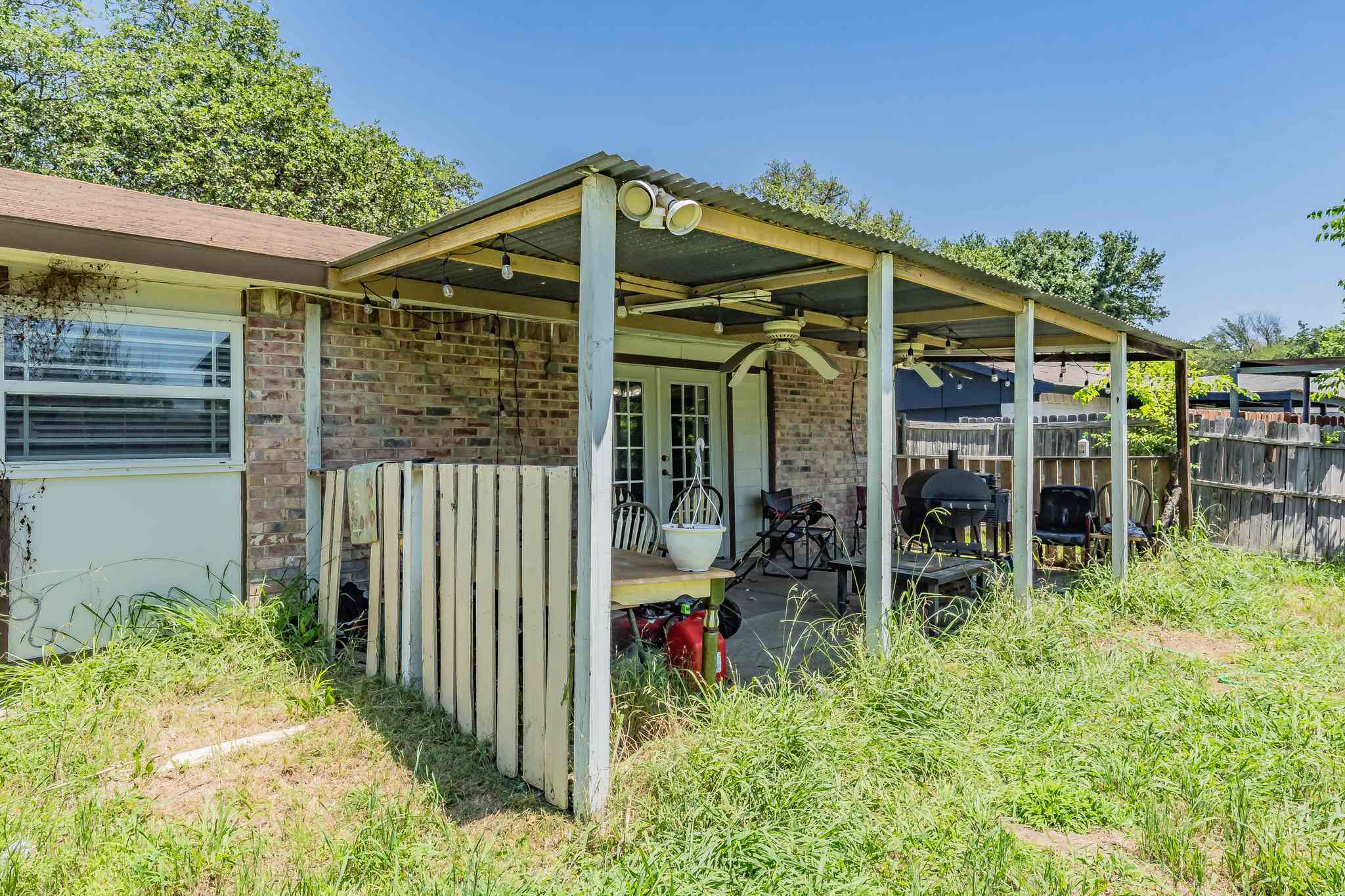
When a property sits on the market for an extended period without offers, the seller must take immediate and decisive action. The most effective solution involves honestly reassessing the price, improving the property's condition, or switching the sales method entirely. Homes often fail to sell because they are overpriced relative to their condition or because the traditional listing process is too slow for the seller's specific financial or personal timeline. OT Home Buyers has closed transactions on numerous properties that previously expired from standard listings, providing a clear view of why conventional methods fail and how to correct the course.
Traditional real estate transactions work well for homes in pristine condition, priced correctly for a hot market. However, when these factors are not aligned, the listing stagnates. This guide outlines the specific steps to identify the problem and offers practical alternatives to secure a sale.
Understanding the Market Reality
The real estate market fluctuates based on interest rates, local inventory, and economic conditions. A home that would have sold quickly a year ago might face stiff competition today. According to data from the National Association of Realtors, the average days on market for homes can increase significantly when inventory rises, giving buyers more leverage to negotiate or simply wait for better options.
Sellers often rely on outdated comparable sales or emotional attachment to set their asking price. This disconnect between expectation and market reality is the primary reason listings fail. When a home receives showings but no offers, the issue is almost always the price. If the home receives very few showings, the problem is likely the marketing or the online presentation.
Pricing Strategies for Stagnant Listings
Reducing the price is difficult but often necessary. A small incremental cut rarely changes the perception of value. Instead, a significant adjustment that places the property below the recent comparable sales generates immediate interest. This strategy creates a sense of urgency among buyers who have been watching the listing.
Another approach is to offer incentives rather than lowering the price. Sellers can offer to pay the buyer's closing costs or buy down the interest rate. These financial incentives can make the home more affordable without changing the list price, which might help preserve the neighborhood's perceived value.
Data from Zillow indicates that listings with well-timed price adjustments often see a spike in activity that leads to a quicker sale than those that slowly bleed value over many months. Another option is to offer financial incentives instead of a lower price. You might offer to pay for the buyer's closing costs or help them get a lower interest rate on their mortgage. These moves can make the home more affordable for a buyer without officially lowering the sales price of the neighborhood.
Addressing Property Condition Issues
Buyers in the traditional market often want turnkey homes. They are less willing to take on renovation projects, especially if financing is involved. Appraisers might flag issues that lenders require to be fixed before closing, adding complexity to the sale.
In regions like North Texas, extreme weather takes a toll on properties. Hail damage, foundation shifting due to expansive soil, and wear from intense heat are common concerns. Texas REALTORS notes that foundation issues and roofing repairs are among the most common negotiation points that cause deals to fall apart. A seller unwilling or unable to make these repairs before closing will find the traditional market nearly impenetrable.
Alternative Sales Methods
If repairs are too costly or time-consuming, changing the sales method is the logical next step. Selling to a cash investor or direct buyer bypasses the need for lender-required repairs and appraisals. This route prioritizes speed and convenience over maximum profit, but it guarantees a sale where the traditional route might fail.
Comparing Exit Options
Understanding the differences between sales methods helps in making an informed decision. The table below contrasts the traditional path with alternative direct sale options.
| Feature | Traditional Agent Sale | Direct Sale to Investor |
| Timeline | 3 to 6 months (average) | 7 to 14 days |
| Repairs Required | Yes, usually required for lender approval | None, sold as-is |
| Closing Costs | Negotiable (often 6% commission + fees) | Typically paid by the buyer |
| Certainty of Closing | Low (contingent on financing/appraisal) | High (cash offer) |
| Marketing Effort | High (staging, photos, open houses) | None (direct offer) |
Things to Consider Before Making a Decision
Deciding to change strategies requires a clear-headed assessment of personal and financial priorities. Sellers should weigh the following factors before pivoting away from a traditional listing.
-
Time Constraints: If the move is job-related or due to financial distress, holding out for a higher price might cost more in carrying costs than the difference in sale price.
-
Repair Capacity: Honestly evaluate the ability to fund repairs before closing. If the roof or foundation needs work, the upfront cost might be prohibitive.
-
Emotional Readiness: Living in a home that is constantly being shown is stressful. If the process is affecting daily life or family well-being, a quick cash offer might provide relief.
Regional Climate Considerations
Local climate impacts the salability of a property significantly. In areas prone to severe storms, insurance claims can complicate traditional sales. If a roof has damage but the insurance payout has not been processed, traditional buyers often walk away. Direct buyers typically handle these issues post-closure, absorbing the risk and the administrative burden.
Bonus Tips for Quick Sales
-
Professional Staging: Empty homes look smaller and less inviting. Hiring a professional stager to furnish key rooms can help buyers visualize themselves living in the space.
-
Pre-Listing Inspection: Paying for an inspection before listing identifies deal-breakers early. Fixing major issues or disclosing them upfront builds trust and prevents re-negotiations later.
-
Flexible Showing Windows: Restricting showings to specific hours reduces traffic. Allowing the home to be shown with short notice or using a lockbox increases the number of potential buyers.
Frequently Asked Questions
How long should a house sit on the market before reducing the price?
Most real estate experts recommend a price reduction after 14 to 21 days of showings without an offer. The first month is the most critical time for a new listing. If the initial interest is low, the market has spoken, and a price adjustment is necessary.
Can I sell a home with tenants?
Yes, but it complicates the process. Traditional buyers often want the property vacant. Selling to a direct buyer usually allows the existing tenants to stay, which is advantageous if they are on a lease and paying rent.
What are the tax implications of selling to an investor?
The tax implications are generally the same as a traditional sale. If the home was a primary residence for two of the last five years, the capital gains exclusion applies. If it were an investment property, capital gains taxes apply to the profit regardless of the buyer type.
Does a direct sale require a real estate attorney?
While not always required by law in every state, having a real estate attorney review the contract is a smart move. They ensure the title is clear and the closing documents are in order, providing protection for the seller.
Conclusion
When traditional selling does not work, clinging to the same strategy usually yields the same results. Sellers must be willing to adjust their expectations regarding price, make necessary repairs, or pivot to a direct sale method to achieve their goals. Analyzing the specific reasons for the failure, whether it is condition, market saturation, or time constraints, provides the roadmap to a successful exit. Every situation is unique, and evaluating the financial and emotional costs of waiting versus selling now is essential.
Reach Out for Assistance
If a property is not selling and time is running out, OT Home Buyers offers a direct alternative to the traditional market. Contact OT Home Buyers at vince@otinvestmentsgroup.com or call 682-267-7741 to discuss a cash offer and a fast closing timeline.
Sources
-
National Association of Realtors - National Association of Realtors
-
Texas REALTORS - Texas REALTORS
-
Zillow Research - Zillow Research
Related Articles
By William Henry • Nov 28, 2025
How Cash Buyers Work and How They Can Help You Sell Quickly
A simple guide to the way investor buyers purchase homes
By Alex Murphy • Dec 4, 2025
Cash Home Buyers vs. Traditional Sales: Which is Faster for Dallas Sellers?
Explore the differences between selling to cash buyers and traditional sales in Dallas, and find out which method is faster and more beneficial for sellers.
By William Henry • Dec 16, 2025
Sell My House With Confidence Using Realistic Strategies
Simple, Honest Strategies to Maximize Value and Avoid Costly Mistakes