

7 Biggest Mistakes Homeowners Make When Selling a Foreclosure House
Ignoring Communication From Your Lender and Missing Important Notices, Deadlines, and Negotiation Opportunities
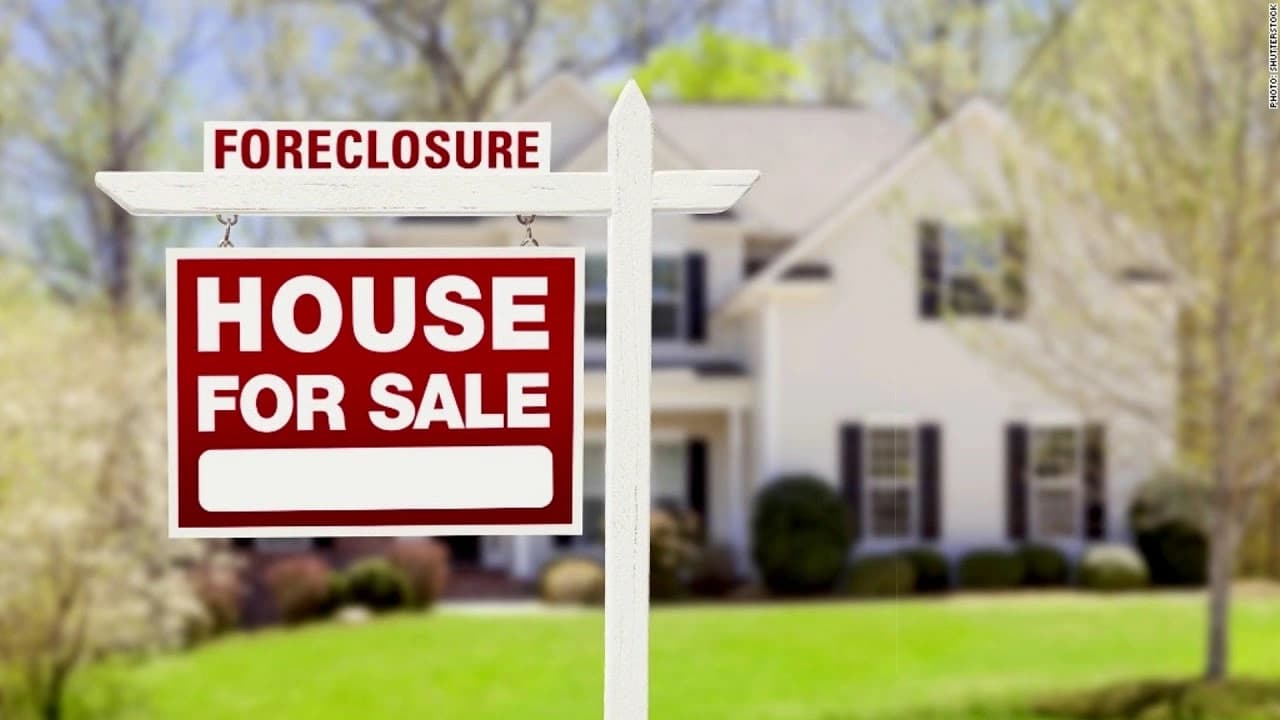
Selling a house in foreclosure is possible, but homeowners who rush in without understanding the process often end up with fewer options, less money, and more credit damage. The biggest mistakes happen when sellers wait too long, ignore the lender, or try to navigate complex legal requirements without help. Understanding what goes wrong helps avoid those traps and enables smarter decisions under pressure.
This guide breaks down the seven most common errors we see homeowners make when selling a foreclosure property.
Waiting Too Long to Take Action
The single biggest mistake homeowners make is inaction. Many people hope the situation will improve, that the lender will wait indefinitely, or that solutions will emerge later. This approach almost always makes things worse.
According to the Consumer Financial Protection Bureau, the most important step you can take when facing mortgage trouble is to act immediately. Waiting gives lenders more time to advance the foreclosure process, adds late fees and legal costs to what you owe, and reduces your negotiating power with every passing week.
The foreclosure timeline varies by state. Some states complete foreclosures in as little as 150 days, while others take over a year. What stays consistent is that every day you delay, your available options narrow. Early in the process, you might sell traditionally, pursue a loan modification, or negotiate a short sale. Later, the only path left might be a forced auction where you have little control over the outcome.
Bonus Tip: Contact your lender the moment you realize you cannot make a payment. Lenders do not want your house. It would rather work out a payment plan or modification than deal with the costs and hassle of foreclosure.
Ignoring Communication from Your Lender
When foreclosure looms, many homeowners stop opening mail or answering phone calls. Such actions stem from shame, overwhelm, or the belief that ignoring the problem will make it go away. It will not.
Every notice from your lender contains important information about deadlines, legal requirements, and options available to you. As HUD explains, your failure to open mail will not be an excuse in foreclosure court. The legal system expects you to stay informed, even when the news is stressful.
More practically, lenders are often willing to negotiate if communication is proactive. Lenders may approve a short sale, agree to accept less than what is owed, or temporarily pause foreclosure proceedings while a sale is in progress. None of these options becomes available if silence persists.
Ignoring your lender also means missing critical deadlines. Once the sheriff's sale or public trustee's sale is scheduled, you have a very limited time to act. Missing these deadlines often means losing your home with no recourse.
Bonus Tip: Create a dedicated folder for all foreclosure-related documents. Keep records of every phone call, including the date, representative name, and what was discussed. This paper trail protects you if disputes arise later.
Setting an Unrealistic Asking Price
Some homeowners facing foreclosure try to squeeze maximum value from the property, setting a high asking price in hopes of walking away with cash after paying off the mortgage. This strategy almost never works.
The higher the price of a home, the longer it sits on the market. While a traditional seller might have months to wait for the right buyer, a seller in foreclosure faces hard deadlines. Lenders will not wait indefinitely for a buyer willing to pay an inflated price. By the time the price is lowered, the window to sell before foreclosure concludes may have already closed.
A practical approach means pricing your home to sell quickly. According to legal guidance from real estate attorneys, accepting a lower price and closing before auction often results in better outcomes than holding out for more money and risking foreclosure. You protect your credit, avoid additional legal fees, and maintain some control over the timeline.
Market conditions matter here, too. If your local market favors buyers, your home may need to be competitively priced to attract offers. Research comparable sales in your neighborhood to understand what buyers are actually paying.
Not Understanding Your Options
Many homeowners assume foreclosure means one thing: losing the house. Such individuals do not realize several alternatives exist that might work better for the situation.
The Consumer Financial Protection Bureau outlines several paths homeowners can take. If your home is worth more than what you owe, you can sell traditionally and pay off your mortgage in full. If your home is worth less than the balance, you can request lender approval for a short sale, where the lender agrees to accept the sale proceeds as full payment even if it does not cover the full loan amount. You can also pursue loan modification to make payments more manageable, request forbearance to temporarily pause or reduce payments, or negotiate a deed-in-lieu of foreclosure, where you transfer ownership to the lender and move out.
Each option carries different consequences for your credit, your finances, and your timeline. Short sales and deeds-in-lieu are generally less damaging to your credit than a full foreclosure, but they require lender approval and involve specific legal requirements.
Homeowners who do not understand these options often make decisions that feel intuitive but prove costly. A short sale might be the smart choice, but without understanding the process, the window to apply for one might be missed.
Bonus Tip: HUD-approved housing counselors provide free guidance on available options. Counselors can help explain which path makes sense for a specific financial situation without charging fees that for-profit foreclosure prevention companies often charge.
Skipping Necessary Repairs
When money is tight, homeowners facing foreclosure often stop spending on home maintenance. This instinct makes sense in the short term, but can cause harm when it is time to sell.
Properties in foreclosure may already show signs of deferred maintenance. A leaking roof, broken HVAC system, or damaged flooring makes a home less attractive to buyers and reduces offers significantly. Data from real estate professionals shows that repair costs often pay for themselves through higher sale prices. Spending $15,000 on critical repairs might increase an offer by $30,000 or more.
Some sellers try to avoid repairs by marketing a home as a fixer-upper or selling to cash buyers who purchase as-is. This works for some properties, but buyers who want move-in ready homes will pass, limiting the buyer pool and potentially lowering offers.
The key is assessing which repairs truly matter. Focus on issues that affect habitability, safety, or major systems. Cosmetic upgrades can wait. Addressing structural problems, water damage, or mechanical failures usually provides the best return on investment.
Trying to Handle Everything Alone
The foreclosure process involves legal complexity, financial negotiations, tight timelines, and emotional stress. Tackling all of this without professional help leads to mistakes that could have been avoided.
Some homeowners do not realize the need for an attorney until legal trouble has already started. Others assume a real estate agent alone can handle a foreclosure sale, not understanding that lenders require specific documentation, approvals, and procedures that agents may not be equipped to manage.
Some homeowners do not realize they need an attorney until they are already in legal trouble. Others assume a real estate agent alone can handle a foreclosure sale, not understanding that lenders require specific documentation, approvals, and procedures that agents may not be equipped to manage.
Professional help means more than signing contracts. Attorneys can negotiate with lenders, explain legal rights, and ensure documents are filed correctly. Real estate agents with foreclosure experience understand market values, buyer expectations, and how to position a property competitively. Housing counselors guide homeowners through loss mitigation options and help communicate with the servicer.
The upfront cost of professionals pays for itself through better outcomes. An experienced team can negotiate a higher sale price, faster closing, or better terms with a lender that saves thousands compared to going it alone.
Failing to Explore All Alternatives
The pressure of foreclosure pushes some homeowners toward the first solution they find without fully exploring whether a better option exists.
Consider a homeowner who lists the property immediately without investigating a loan modification. If a modification had reduced payments enough to keep the home, that homeowner lost the property unnecessarily. Conversely, some homeowners spend months trying to modify a loan when selling would have been the smarter financial move given their equity situation and long-term plans.
| Option | Best For | Credit Impact | Requires Lender Approval |
| Traditional Sale | Homes are worth more than the mortgage balance | Least damaging | No |
| Short Sale | Homes worth less than the mortgage balance | Less damaging than foreclosure | Yes |
| Loan Modification | Temporary financial hardship | Minimal impact if payments resume | Yes |
| Deed-in-Lieu | Ready to move out | Less damaging than foreclosure | Yes |
| Foreclosure | No other viable options | Most damaging, stays 7 years | N/A |
Review this table to understand where your situation fits. Each path has specific requirements, timelines, and long-term consequences. The right choice depends on your home's value, your remaining loan balance, your current financial situation, and your plans for the future.
Taking time to evaluate all alternatives, even when foreclosure feels inevitable, often reveals options you had not considered.
Things to Consider Before Making a Decision
Before you commit to selling your foreclosure home, ask yourself these questions:
Timeline: How far along is the foreclosure process in your state? What deadlines are you currently facing? Check any notices you have received from your lender for specific dates.
Equity Position: Do you owe more than your home is worth, or do you have positive equity? This determines whether a traditional sale or a short sale makes more sense.
Credit Impact: How important is your credit score in the near future? If you plan to buy another home within a few years, the difference between a short sale and foreclosure on your credit report matters significantly.
Lender Relationship: Has your lender been responsive to communication? Cooperative lenders make selling easier through approved short sales or temporary foreclosure pauses.
Your Financial Situation: Have you experienced a temporary setback, like job loss, or is your income permanently reduced? Temporary hardship might respond to forbearance or modification, while permanent changes may require selling.
Support System: Do you have professionals guiding you, or are you navigating this alone? The complexity of foreclosure often surprises people who try to handle it without help.
Common Questions
Q: Can I sell my house while it is in foreclosure?
Yes. You retain ownership rights until the foreclosure sale concludes. You can sell traditionally or pursue a short sale with lender approval. Acting early gives you the most options and the best chance of closing before auction.
Q: What happens if I sell for less than I owe?
If your home sells for less than your remaining mortgage balance, you may owe the difference, called a deficiency balance. With a short sale, the lender agrees to forgive this difference. Without lender approval, you remain responsible for the full debt.
Q: How long does foreclosure stay on my credit report?
Foreclosure typically remains on your credit report for seven years from the date of the first missed payment that led to foreclosure. Short sales and deeds-in-lieu generally have less severe impacts but still affect your credit.
Q: Do I need an attorney to sell a foreclosed home?
An attorney is not legally required, but the legal complexity of foreclosure sales makes professional guidance valuable. Attorneys protect your rights, help negotiate with lenders, and ensure documents are filed correctly. For homeowners with significant equity or complex situations, legal counsel is strongly recommended.
Q: Can I sell my home after the foreclosure sale date?
Once the sale occurs, you typically lose ownership rights. Some states allow redemption periods where you can reclaim the property by paying the full amount owed plus costs, but these periods are limited. Act before the sale date whenever possible.
Final Thoughts
Selling a house in foreclosure demands quick action, clear communication, and realistic expectations. The homeowners who navigate this process successfully do not necessarily have more money or better situations, but these individuals make better decisions under pressure.
Avoid the trap of waiting and hoping. Respond to every piece of communication from the lender. Price the home to sell, not to extract maximum value. Understand every option available before committing to a path. Make necessary repairs if possible, or sell to buyers who accept properties as-is. Get professional guidance rather than struggling alone. And explore all alternatives before deciding.
The circumstances that led to foreclosure may feel overwhelming, but the right approach to selling can limit the damage and help you move forward. Every situation differs, and what works for one homeowner may not fit another. Take time to evaluate your specific circumstances, gather trustworthy advice, and choose the path that best matches your goals and constraints.
Sources
-
Consumer Financial Protection Bureau - Official government guidance on foreclosure prevention options and selling alternatives
-
HUD.gov - U.S. Department of Housing and Urban Development foreclosure timeline and prevention tips
-
The Law Office of Carlos M. Amor, P.A. - Legal perspective on common mistakes when selling during foreclosure proceedings
Related Articles
By William Henry • Mar 20, 2026
Can You Sell If Your Home Is in Pre-Foreclosure?
Yes, you can sell your home during pre-foreclosure, and in many cases, it’s the most effective way to avoid foreclosure and reduce long-term credit damage
By William Henry • Feb 18, 2026
How to Sell My House During Foreclosure in Dallas, Texas
Understanding the Texas Foreclosure Timeline and Why Acting Fast Matters
By William Henry • Oct 22, 2025
Facing Foreclosure in Dallas? Sell Your House Fast for Cash
Avoid foreclosure damage. Get a fair cash offer and sell your Dallas house quickly on your terms.