

Can You Sell If Your Home Is in Pre-Foreclosure?
Yes, you can sell your home during pre-foreclosure, and in many cases, it’s the most effective way to avoid foreclosure and reduce long-term credit damage
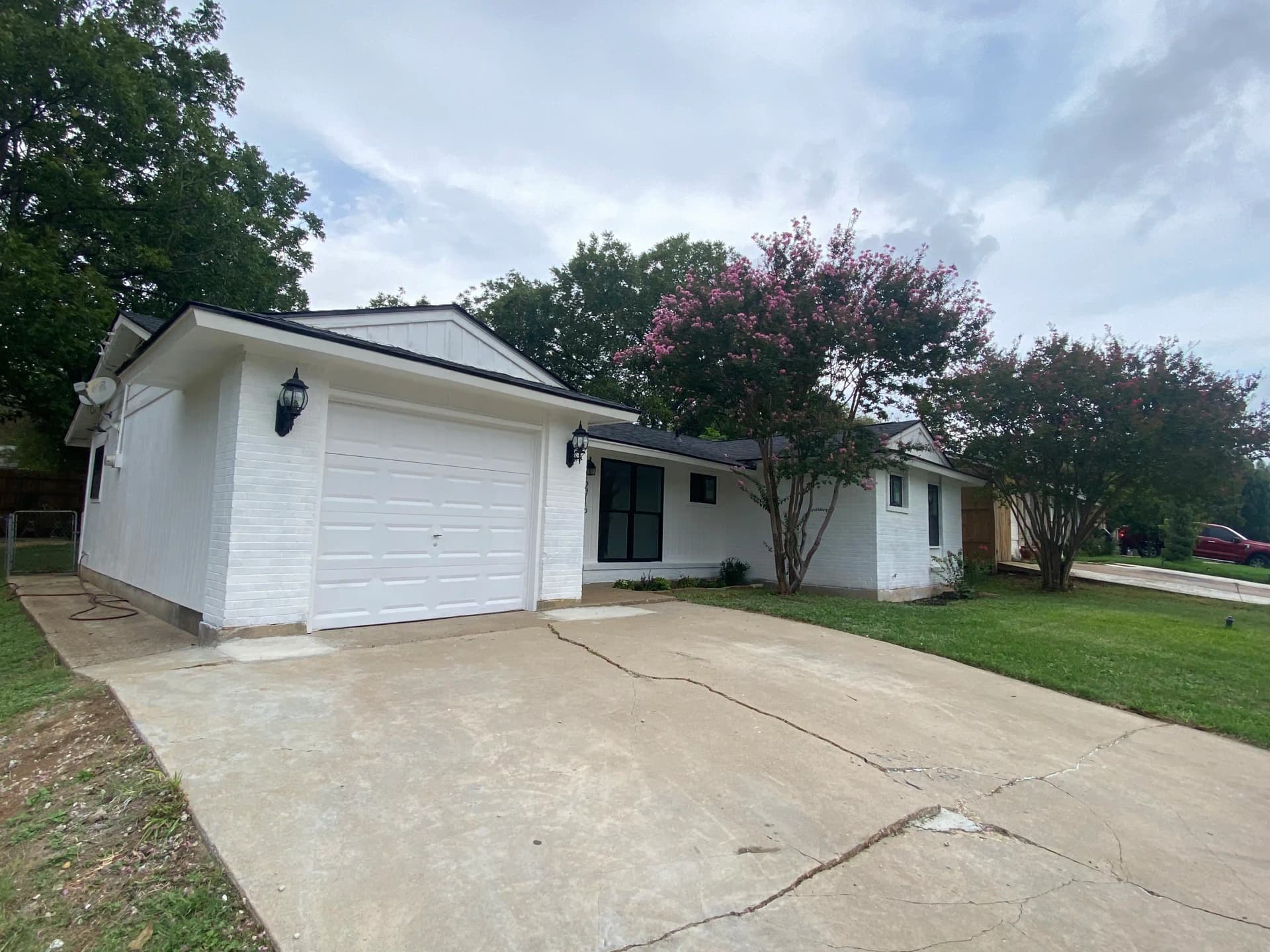
Yes, you can sell your home during pre-foreclosure. In fact, selling during this period is often the most effective strategy to avoid foreclosure completely and minimize damage to your credit. The pre-foreclosure stage typically begins when you miss mortgage payments, and the lender initiates legal proceedings, creating a window of opportunity that can last anywhere from a few weeks to several months, depending on your state's laws. This article will guide you through everything you need to know about selling your home during pre-foreclosure, including your options, timeline, and practical steps to take control of your situation.
Understanding Pre-Foreclosure Basics
Pre-foreclosure represents a critical period between missing mortgage payments and the actual foreclosure auction. According to data from ATTOM Data Solutions, approximately 1.2% of U.S. properties were in some stage of foreclosure in 2023, demonstrating how common this situation has become. During pre-foreclosure, homeowners receive a notice of default from their lender, marking the official start of the process. This notice typically arrives after 90-120 days of missed payments, though exact timelines vary significantly by state.
The pre-foreclosure period serves as both a warning and an opportunity. While it signals serious financial trouble, it also provides time to explore alternatives before the foreclosure becomes final. Most states require judicial foreclosure proceedings, which can extend the pre-foreclosure period to several months or even longer in some cases. Non-judicial foreclosure states, however, may move more quickly, sometimes completing the entire process in as little as 90 days.
Your Selling Options During Pre-Foreclosure
When facing pre-foreclosure, homeowners generally have three primary paths to selling their property. Each option comes with distinct advantages and challenges that merit careful consideration based on your specific situation.
Traditional Market Sale: Listing with a real estate agent represents the conventional approach, potentially yielding the highest sale price. However, this path requires time, a luxury that might be limited during pre-foreclosure. The process typically takes 60-90 days from listing to closing, plus additional time for repairs, staging, and marketing. Market conditions significantly impact success rates, with the median time to sell a home currently standing at 43 days according to Zillow Research.
Short Sale: If you owe more than your home's current market value, a short sale might be your best option. This involves negotiating with your lender to accept less than the full loan balance as payment in full. While this process can be lengthy and complex, recent improvements in lender efficiency have reduced average processing times. Data from the National Association of Realtors shows that short sales typically take 90-120 days to complete, requiring extensive documentation and patience.
Direct Sale to Professional Buyers: Companies like OT Home Buyers can purchase properties quickly, often closing in as little as 7-14 days. This approach eliminates the need for repairs, showings, or lengthy negotiations. The speed of transaction makes it particularly valuable when the foreclosure auction is approaching rapidly. While offers might be below market value, homeowners must weigh this against the costs of continued mortgage payments, property taxes, and potential credit damage from foreclosure.
Comparison of Pre-Foreclosure Selling Options
| Option | Typical Timeline | Financial Impact | Credit Impact | Required Condition |
| Traditional Sale | 60-120 days | Highest possible sale price | Minimal negative impact | Good to excellent |
| Short Sale | 90-120 days | Debt forgiveness (may have tax implications) | Moderate impact | Any condition |
| Direct Sale | 7-14 days | Below market value | Less than foreclosure | Any condition |
Bonus Tip: Gather all your financial documents early in the process, including bank statements, tax returns, and hardship letters. This preparation speeds up any selling option you choose.
Things to Consider Before Making a Decision
Before choosing your path forward, several critical factors deserve careful evaluation. First, assess your timeline accurately by contacting your county clerk's office or checking public records to determine your exact foreclosure date. This information proves essential for deciding between traditional selling methods and expedited options.
Next, calculate your complete financial picture. Beyond the mortgage balance, consider owed property taxes, insurance costs, HOA fees, and potential liens. Homeowners must also account for real estate commissions (typically 5-6% of sale price), closing costs, and necessary repairs if pursuing a traditional sale. These cumulative expenses often exceed what many homeowners initially anticipate.
Your credit goals should also influence your decision. While any pre-foreclosure situation impacts credit scores, a completed foreclosure typically drops scores by 100-160 points and remains on credit reports for seven years. By contrast, short sales might reduce scores by 85-130 points, while traditional sales followed by mortgage payoff result in minimal credit damage once current payments resume.
Bonus Tip: Consider consulting a HUD-approved housing counselor for free guidance on your specific situation. These professionals can help negotiate with lenders and explore all available options.
Navigating Legal and Lender Requirements
Selling during pre-foreclosure involves specific legal requirements that vary by state. Some states mandate judicial foreclosure proceedings, requiring court involvement and extended timelines. Others permit non-judicial foreclosure through power of sale clauses in mortgage contracts, proceeding more rapidly through trustee processes. Understanding your state's specific requirements helps set realistic expectations.
Communication with your lender becomes paramount during pre-foreclosure. Many lenders have dedicated loss mitigation departments to handle these situations. When discussing your intent to sell, request a formal payoff statement that includes all fees, interest, and penalties through your anticipated closing date. This document proves essential for determining your actual proceeds from any sale.
If pursuing a short sale, you'll need formal lender approval before proceeding. This process requires submitting a comprehensive short sale package, including financial documentation, a purchase agreement, and a hardship letter explaining your situation. Recent industry improvements have streamlined this process, with many lenders now offering pre-approved short sale programs that significantly reduce closing times.
Regional and Market Considerations
Real estate markets vary significantly by region, affecting your pre-foreclosure selling strategy. In competitive markets with limited inventory, even homes needing significant work might sell quickly at favorable prices. Conversely, in buyer's markets with abundant inventory, selling before foreclosure becomes more challenging regardless of the approach.
State laws also create crucial differences in pre-foreclosure timelines. For example, states like Florida and New York typically allow 12-18 months from initial notice to foreclosure auction due to judicial requirements. In contrast, Texas and Georgia may complete the process in just 60-90 days through non-judicial proceedings. These variations dramatically impact your available options and decision-making timeline.
Climate and seasonal factors also influence selling strategies. In northern regions, winter markets typically slow significantly, potentially complicating pre-foreclosure sales during colder months. Conversely, spring and summer usually bring increased buyer activity, potentially offering better outcomes for traditional sales when time permits.
Bonus Tip: Research comparable recent sales in your neighborhood to establish realistic price expectations. Overpricing during pre-foreclosure rarely works and wastes valuable time.
FAQS
Can I sell my home if I'm already in active foreclosure?
Yes, until the foreclosure auction actually occurs, you maintain ownership and can sell the property. Some states even allow redemption periods after auction, where you can reclaim and sell the property, though this is less common.
Will selling during pre-foreclosure affect my ability to buy another home?
The impact depends on how the pre-foreclosure is resolved. Conventional mortgage programs typically require 2-7 years after a short sale or foreclosure before you can qualify again, though traditional sales with on-time payments may not trigger these waiting periods.
Do I have to pay taxes on forgiven debt in a short sale?
The Tax Cuts and Jobs Act of 2017 changed the treatment of forgiven mortgage debt. Through 2025, canceled mortgage debt on primary residences generally doesn't count as taxable income, though specific circumstances may vary.
Can I remain in my home while it's listed for sale during pre-foreclosure?
Yes, you maintain the right to occupy your property throughout the pre-foreclosure period. However, keeping the home well-maintained and accessible for showings becomes crucial for successful selling.
Should I consider bankruptcy instead of selling my home?
Chapter 13 bankruptcy might allow you to keep your home by restructuring debt, but this depends on your income, debt levels, and state exemption laws. Bankruptcy affects credit for 7-10 years, potentially longer than alternatives.
Conclusion
Selling during pre-foreclosure offers a viable path to avoiding foreclosure's most damaging consequences. The key is acting quickly and understanding your options thoroughly. Traditional market sales potentially yield the highest returns but require time that most pre-foreclosure situations don't afford. Short sales provide debt forgiveness when you owe more than your home's worth, though they involve lengthy negotiations and extensive documentation. Direct sales offer speed and convenience at the cost of potentially lower sale prices, making them valuable when time is critically short.
The right choice depends on your specific timeline, financial situation, property condition, and local market conditions. Regardless of the path chosen, immediate action remains essential. Every day of delay brings you closer to foreclosure completion, reducing your options and potentially damaging your credit more severely. Evaluate your circumstances honestly, seek appropriate professional guidance, and make a decision before the foreclosure process eliminates your choices entirely.
Taking the Next Step
If you're facing pre-foreclosure, the time to act is now. OT Home Buyers specializes in helping homeowners navigate these challenging situations with dignity and speed. Our experienced team can provide a fair cash offer for your home within 24 hours, typically closing in as little as seven days. This rapid timeline can help you avoid foreclosure completely while minimizing credit damage. Contact OT Home Buyers today at vince@otinvestmentsgroup.com or call 682-267-7741 for a confidential, no-obligation consultation. Our team understands the urgency of your situation and stands ready to help you explore all available options during this difficult time.
Sources
ATTOM Data Solutions - ATTOM Data Solutions
Zillow Research - Zillow Research
National Association of Realtors - National Association of Realtors
Related Articles
By William Henry • Dec 24, 2025
How to Sell a Pre Foreclosure House Before the Auction Date
A Practical Guide to Selling Fast, Avoiding Delays, and Relocating With Less Stress
By William Henry • Jan 19, 2026
How to Sell My House Fast When I Am Behind on Mortgage Payments
A step-by-step guide to selling quickly, reducing financial pressure, and avoiding foreclosure complications

By Vince Chimoga • May 20, 2025
Can I Sell My House If I’m in Foreclosure?
Yes—you can still sell your home even if it's in foreclosure. Learn how to protect your credit, stop the foreclosure process, and walk away with cash in hand.