

How to Sell a House That Failed Inspection?
Learn how to sell a house that failed inspection by understanding your options, fixing key issues, and negotiating effectively with buyers
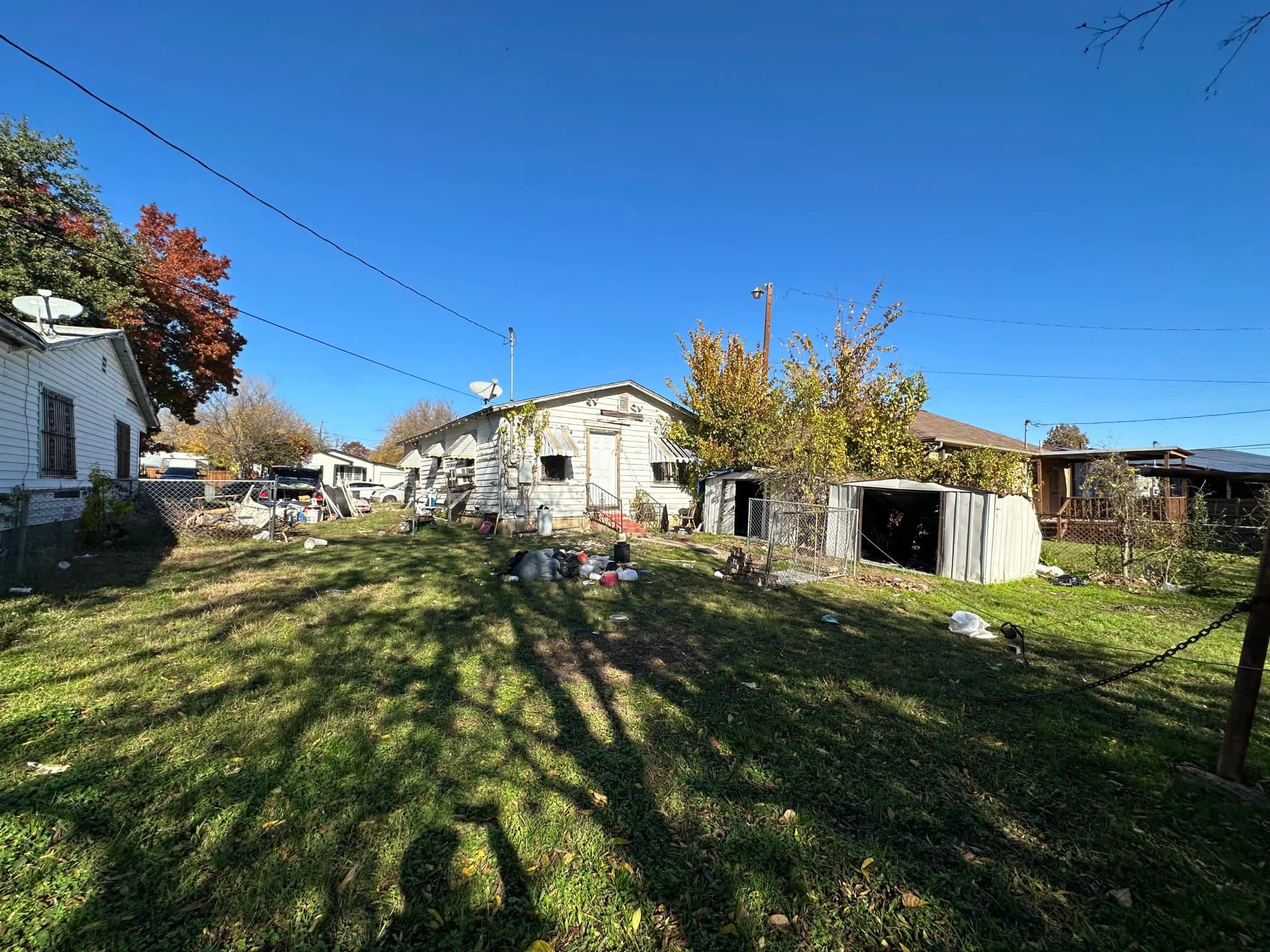
Selling a house that failed inspection is entirely possible with the right strategy. At OT Home Buyers, we've helped hundreds of homeowners navigate this exact situation. The key is understanding your options: either complete the required repairs and sell traditionally, or disclose the issues and sell as-is to buyers who accept the property's condition. This choice depends on your timeline, budget, and the specific inspection failures.
Understanding Inspection Failures
When a home inspection reveals problems, buyers typically have three options: renegotiate the price, request repairs before closing, or walk away entirely. According to a report from the National Association of Realtors, home inspection issues cause roughly 16% of real estate contracts to fall through. Understanding which category your issues fall into helps determine your next steps.
Major inspection failures often involve structural integrity, safety systems, or significant water damage. These include foundation cracks, faulty electrical systems, roof leaks, or plumbing problems. Minor issues like leaky faucets or worn paint rarely derail sales but can impact negotiations.
Repair Options and Considerations
Before deciding whether to repair or sell as-is, evaluate each inspection finding critically. Some repairs offer a strong return on investment, while others might not be worth the expense given your property's market position.
Repair Priority Table
| Issue Category | Impact on Sale | Recommended Action |
| Foundation | High | Usually worth fixing |
| Roof | High | Consider buyer concessions |
| Electrical | Critical | Nearly always required |
| Plumbing | Medium | Depends on severity |
| Cosmetic | Low | Often unnecessary |
Bonus Tip: Focus on systems that could cause immediate safety hazards or catastrophic damage if left unrepaired. These issues scare away most buyers.
Regional climate affects which repairs matter most. In the southern United States, HVAC system failures immediately raise buyer concerns due to extreme heat, while northern markets prioritize insulation and heating systems Real Estate Staging Association. During the winter months, failed heating systems can make a property virtually unsellable until repaired.
Alternative Selling Strategies
If repairs exceed your budget or timeline, several alternative selling strategies exist. The as-is market includes investors, flippers, and buyers specifically seeking renovation projects. These buyers typically expect discounts of 20-30% below market value to compensate for repair costs and renovation risks.
According to housing data from Zillow Research, as-is home sales increased by 23% between 2020 and 2023, reflecting growing buyer comfort with renovation projects. This trend creates more opportunities for sellers with inspection-challenged properties.
Things to Consider Before Making a Decision
Your decision should balance financial implications with practical considerations. First, calculate the true cost of repairs, including permits, contractor fees, and potential time extensions. Then, compare this against the potential price reduction for selling as-is.
Time pressure often drives these decisions. If facing foreclosure, job relocation, or divorce, the expedited nature of as-is sales might outweigh financial losses. Conversely, if you have flexibility, completing strategic repairs can significantly increase your net proceeds.
Market conditions also matter. In seller's markets with limited inventory, buyers may accept properties with minor defects. However, buyer's markets with abundant choices make inspection failures more problematic. Current inventory levels in your zip code, available from local MLS data, should inform your strategy.
Bonus Tips for Difficult Situations
When facing expensive repairs, consider this strategy: complete the one repair that matters most to local buyers while offering a credit for others. In many markets, a new roof dramatically improves buyer confidence, while they may accept credits for updating kitchens or bathrooms.
Documentation matters. Keep detailed records of all repairs, permits, and professional assessments. This transparency builds trust and often results in better offers, even for as-is properties.
Frequently Asked Questions
How long do inspection reports remain valid?
Inspection reports don't technically expire, but market conditions change rapidly. A report older than 3-6 months might be considered outdated, especially in volatile markets where property values shift significantly.
Can I sell without disclosing inspection results?
You're not required to share the inspection report itself, but you must disclose any material defects discovered. Many sellers prefer proactive disclosure to build trust and avoid future liability.
Should I get a pre-listing inspection?
Pre-listing inspections can be valuable despite the cost. They identify issues early, allowing you to control the repair narrative and price rather than reacting to buyer discoveries during negotiation.
What if the buyer's inspector is overly critical?
Inspection quality varies. If you suspect unreasonable findings, consider hiring a licensed contractor or another inspector to provide a professional opinion on the severity of reported issues.
How do contractor shortages affect repair timelines?
Recent labor shortages in the construction industry have extended repair timelines by 30-40% in many regions. Factor these delays into your selling strategy, especially for specialized trades like roofing or electrical work.
Conclusion
Selling a house with inspection failures requires a careful strategy, though it doesn't mean your sale is doomed. The key is accurately assessing repair costs against potential value increases and understanding your local market conditions. Focus on repairs that significantly impact buyer decisions while being transparent about remaining issues.
Evaluate your personal circumstances honestly. If time and money allow, strategic repairs often yield the best financial outcome. If constraints exist, the as-is market provides viable alternatives through buyers prepared for renovation challenges. Every property can be sold; it just requires matching the right approach to your specific situation.
Need Help Selling Your As-Is Property?
OT Home Buyers specializes in purchasing properties regardless of inspection results. Our straightforward process eliminates repair requirements and extended timelines, allowing homeowners to move forward quickly. Contact Vince directly at vince@otinvestmentsgroup.com or call 682-267-7741 to discuss your specific situation and receive a no-obligation offer within 24 hours.
Sources
National Association of Realtors - National Association of Realtors
Zillow Research - Zillow Research
Real Estate Staging Association - Real Estate Staging Association
Related Articles
By William Henry • Feb 5, 2026
Can You Sell a House As-Is Without an Inspection?
Learn when inspections are optional, what you must legally disclose, and how it affects your offer price and closing timeline.
By William Henry • Jan 29, 2026
How to Sell My House Without Appraisal or Inspection Problems
A Practical Guide to Selling Your Home As It Is Without Appraisals, Inspections, or Unexpected Delays
By William Henry • Mar 3, 2026
Hidden Fees When Selling Your House for Cash in Dallas
Understand how cash offers are calculated and what deductions like closing costs, repair estimates, and service fees may affect your final payout