

How to Sell My House Without Dealing With Traditional Buyers
Learn why many homeowners skip agents and retail buyers to close faster and with fewer complications.
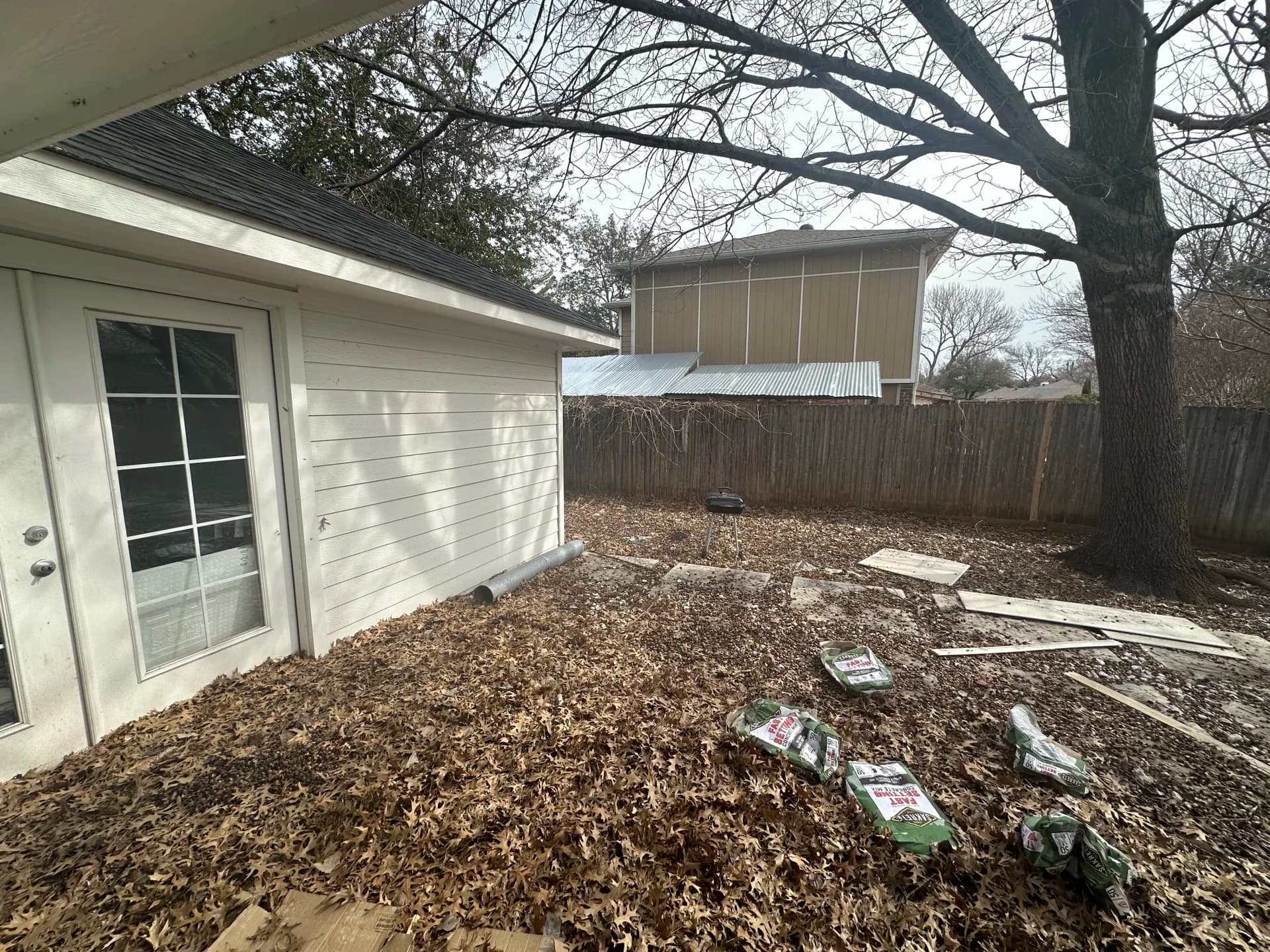
Selling a house without dealing with traditional buyers typically means working with a real estate investor or a direct home buying company. These buyers purchase properties with cash, which allows homeowners to close quickly without listing on the open market. This approach bypasses the standard retail sales process, removing the need for open houses, bank financing contingencies, and extensive repairs.
Homeowners often choose this route when they need speed or certainty. The information below draws on years of experience in the real estate investment sector to explain exactly how direct sales work, what to expect, and how to decide if this option fits a specific situation.
Why Traditional Sales Often Fail
The traditional real estate market relies heavily on individual buyers who need mortgage financing. This dependency creates several points of failure. Deals often fall apart because the buyer cannot secure a loan, or the bank appraisal comes in too low. According to the National Association of Realtors, financing and home inspection contingencies are among the top reasons pending sales do not close.
Dealing with traditional buyers also involves significant preparation. Sellers usually must paint, clean, and repair the property to attract interest. Once listed, the home may sit on the market for months. Current market data shows that the average home stays on the market for about 20 to 30 days, though this varies widely by location. During this time, the seller continues to pay the mortgage, insurance, and utilities without any guarantee of a sale.
How Direct Sales Work
Direct sales operate on a different model. Instead of listing a property, the owner requests an offer directly from an investment company or a professional home buyer. The process begins with a property assessment, where the buyer reviews the home’s condition and local market value. Based on this evaluation, a cash offer is presented. According to Zillow, this approach typically involves selling the home as-is, without showings or financing contingencies.
This cash offer reflects the current value of the house, minus the cost of necessary repairs and the investor's profit margin. While the offer price is often below market value, the seller receives the full amount at closing because there are no agent commissions or closing fees deducted from the proceeds.
The Speed Factor
Speed is the main advantage of this method. Because the buyer uses cash and does not require a bank appraisal, the closing date is flexible. Closings can take as few as 7 to 10 days. This is particularly useful for people facing foreclosure, divorce, or job relocation. Traditional sales rarely close this fast due to the 30 to 45-day timelines required by mortgage lenders, which is why many owners choose to sell their property as is to avoid delays.
As-Is Condition
Professional home buyers purchase properties in their current condition. This eliminates the need for the seller to fix leaky roofs, replace carpeting, or update electrical systems. The buyer assumes responsibility for all repairs after the sale. This saves the seller both time and the upfront capital required to get a house "show-ready."
Comparing Your Options
Understanding the differences between the two paths helps in making an informed choice. The table below outlines the primary distinctions between a traditional sale and a direct sale.
| Feature | Traditional Sale | Direct Sale |
| Buyer Type | Individual homeowners requiring financing | Professional investors or companies using cash |
| Timeline | 30 to 90 days (plus preparation time) | 7 to 21 days |
| Repairs | Usually required to pass inspection | Purchased "as-is" |
| Fees | Agent commissions (5-6%), closing costs | No commissions, minimal closing costs |
| Certainty | Low; deals fall through due to financing | High cash offers rarely fall through |
Things to Consider Before Making a Decision
Choosing how to sell a major asset requires careful thought. Several factors determine whether a direct sale makes financial sense.
Financial Net Proceeds
Sellers must calculate the net proceeds, not just the list price. In a traditional sale, a seller might accept a higher offer but lose 6% to agent commissions and pay for closing costs and repairs. A direct cash offer might be lower, but the seller keeps 100% of that amount. Running the numbers on both scenarios is essential to see which path puts more money in the bank.
Timeline Urgency
Time has a monetary value. If a house sits empty for three months, the owner pays three months of mortgage payments, taxes, and insurance. If the seller is behind on payments, the cost of waiting can increase further due to late fees and interest. For those who need liquidity immediately, the speed of a direct sale often outweighs the benefit of waiting for a higher retail offer.
Property Condition
Houses in need of major repairs often struggle to attract traditional buyers. Most loans backed by the Federal Housing Administration (FHA) or the Department of Veterans Affairs (VA) require the property to meet specific safety and habitability standards. If a home has structural issues, a leaky roof, or outdated electrical systems, traditional buyers will likely ask the seller to address them before closing. Direct buyers specialize in these problem properties and can buy them regardless of condition.
Regional and Climate Specifics
Local climate and weather patterns affect a home’s condition and should influence the decision. In areas with high humidity or heavy rainfall, foundations are prone to shifting, and mold growth is common. These issues are expensive to fix and can discourage traditional buyers. In regions with extreme temperature changes, roofs and HVAC systems often fail earlier than expected. For homeowners exploring direct-sale options, companies such as OT Home Buyers allow properties to be sold as-is, making it easier to pass ongoing maintenance concerns to the buyer and avoid large repair expenses.
Bonus Tips Based on Experience
-
Gather Your Title Information Early: Before contacting a buyer, locate the deed and any existing title insurance policies. Knowing the title status (such as liens or judgments) upfront prevents delays later in the process.
-
Check for Liens and Back Taxes: Direct buyers handle title issues, but being aware of them helps. If there are significant tax liens, the sale price must be high enough to pay them off. Knowing this number beforehand helps manage expectations.
-
Leave the Junk Behind: In a direct sale, the buyer usually handles personal property left behind. While it is polite to clear out valuables, sellers do not need to hire a dumpster to remove old furniture or trash before closing.
Frequently Asked Questions
Do I need a real estate attorney?
While not required in every state, consulting an attorney is smart. They review the purchase agreement to ensure terms are fair and legal.
Will I get a fair market price?
The price will be the fair market value for the home's condition. A direct offer reflects what the house is worth today without a retail makeover.
What if I am behind on mortgage payments?
Direct buyers frequently work with sellers facing foreclosure. They can communicate with the lender to stop the foreclosure process and buy the house before the auction date.
How fast can I really close?
Once an offer is accepted, the closing date depends on the title company's schedule. Closings often occur within 7 to 14 days.
Are there any hidden fees?
Professional direct buyers do not charge fees or commissions. The offer amount is the amount that appears on the closing statement, minus any agreed-upon closing costs or lien payoffs.
Final Thoughts
Selling a house without traditional buyers offers a practical solution for those who value speed and convenience over maximum potential profit. It removes the uncertainty of buyer financing and the burden of repairs. Homeowners facing financial distress, difficult property conditions, or tight timelines often find this route provides the relief they need. Every situation is different, so evaluating the financial net outcome and personal timeline is necessary before making a final choice.
Contact OT Home Buyers
OT Home Buyers provides straightforward cash offers for properties in any condition. The team handles the paperwork and closing costs to simplify the process. To discuss a specific property or get a no-obligation offer, contact OT Home Buyers at vince@otinvestmentsgroup.com or call 682-267-7741.
Sources
-
National Association of Realtors - National Association of Realtors
-
Zillow - Zillow
Related Articles
By William Henry • Jan 13, 2026
What to Do When Traditional Selling Does Not Work
Why Some Homes Sit on the Market Without Serious Buyer Interest
By William Henry • Nov 28, 2025
How Cash Buyers Work and How They Can Help You Sell Quickly
A simple guide to the way investor buyers purchase homes
By Alex Murphy • Dec 4, 2025
Cash Home Buyers vs. Traditional Sales: Which is Faster for Dallas Sellers?
Explore the differences between selling to cash buyers and traditional sales in Dallas, and find out which method is faster and more beneficial for sellers.